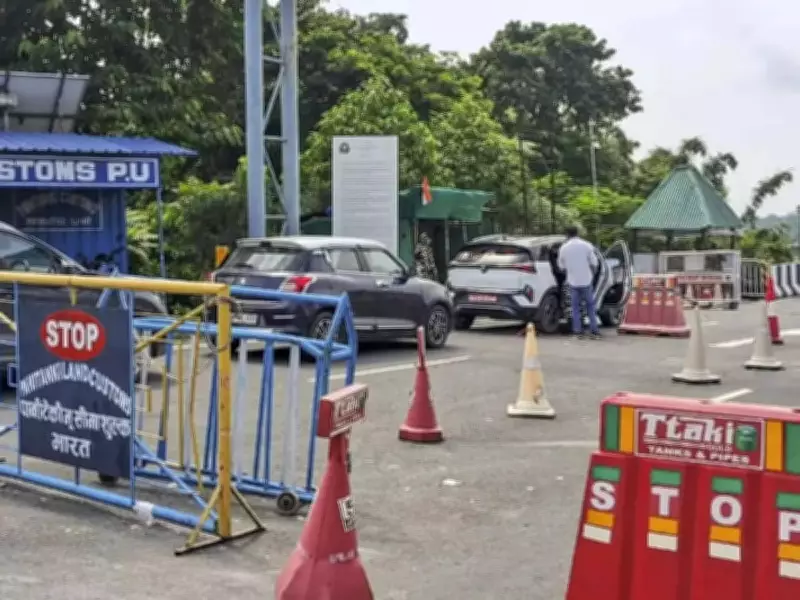
India Intensifies Border Security Along Vulnerable Nepal Frontier in Bihar
Indian authorities have launched a significant initiative to fortify one of the most exposed stretches of the India-Nepal border, which traverses approximately 700 kilometers through Bihar. This extensive frontier, largely unfenced and characterized by riverine terrain, presents persistent security challenges. The focus is on the districts of Araria, Supaul, and Kishanganj, where the existing average gap of 4-5 kilometers between border outposts (BOPs) is being systematically reduced to enhance surveillance and operational effectiveness.
Strategic Restructuring in the Seemanchal Region
The restructuring plan is specifically targeted at the Seemanchal region, where the complex topography and patterns of open-border movement have historically impeded comprehensive monitoring. Under the proposed enhancements, the number of BOPs is set to increase substantially: Araria will see around 36 outposts, Supaul approximately 29, and Kishanganj about 18. This expansion aims to address critical operational blind spots that emerge when distances between outposts exceed 4.5 kilometers, particularly during nocturnal patrols and the monsoon season, when shifting river channels and reduced accessibility exacerbate vulnerabilities.
Addressing Security Gaps and Misuse Risks
The Sashastra Seema Bal (SSB) is responsible for guarding this sector, operating under the open-border treaty arrangements that facilitate visa-free movement between India and Nepal. While this policy supports vital social and economic ties, enforcement agencies have consistently highlighted its exploitation by smuggling syndicates and human trafficking networks, which take advantage of sparsely monitored stretches. Security assessments underscore that reducing BOP gaps to 3-3.5 kilometers—a benchmark observed in more sensitive national border sectors—is essential for ensuring overlapping patrol coverage, thereby increasing patrol frequency, shortening response times, and strengthening visible deterrence in vulnerable border villages.

Implementation Challenges and Future Considerations
Officials have confirmed that land identification and administrative coordination are currently in progress. However, the timeline for full operationalization remains contingent upon infrastructure development and manpower deployment. Experts caution that long-term effectiveness will not rely solely on increased outpost numbers but will require sustained staffing, the integration of advanced surveillance technology, and the provision of flood-resilient mobility support to navigate the region's challenging environmental conditions.
This strategic move aligns with broader efforts to bolster border security while maintaining the delicate balance of open-border relations, aiming to curb illicit activities without disrupting legitimate cross-border interactions.