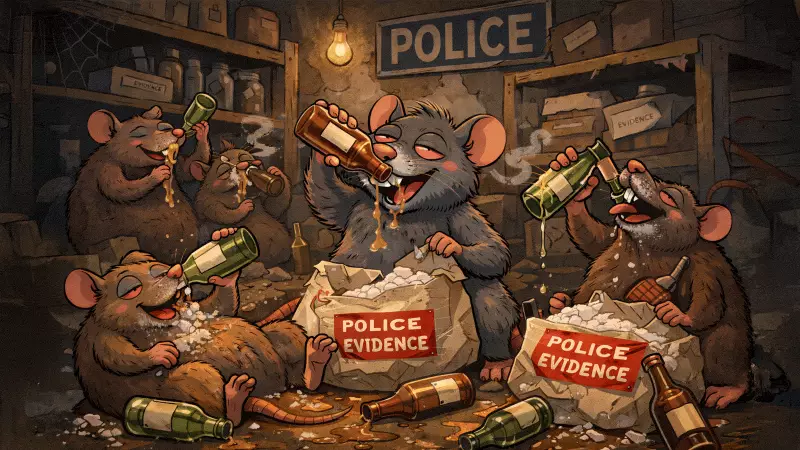
Courtrooms across India are witnessing a bizarre and growing trend. Police agencies are telling a peculiar story that involves rodents with a taste for illegal substances. These so-called 'drug-addicted rats' are reportedly eating or destroying large amounts of seized narcotics, causing criminal cases to fall apart.
The Strange Claims in Indian Courts
From Jharkhand to Maharashtra and Uttar Pradesh, law enforcement officials have repeatedly presented this unusual defense. They state that rats have consumed or damaged significant quantities of confiscated illegal drugs. The contraband includes marijuana, heroin, and in some instances, thousands of liters of alcohol.
Impact on Criminal Prosecutions
These claims are quietly dismantling narcotics prosecutions nationwide. When police storehouses and evidence rooms report rodent damage, it creates major problems for prosecutors. The loss of physical evidence makes it difficult to secure convictions in court.

The situation highlights serious issues with evidence preservation in India. Many question how rodents could access such highly secured materials. Others wonder about the timing of these reports, often emerging when cases reach critical stages.
Geographical Spread of the Phenomenon
Reports have emerged from multiple states:
- Jharkhand: Police storehouses reported rodent consumption of seized drugs.
- Maharashtra: Similar claims surfaced in evidence handling facilities.
- Uttar Pradesh: Authorities cited rat damage to thousands of liters of alcohol.
This geographical spread suggests a broader pattern rather than isolated incidents. Legal experts express concern about the implications for justice delivery. They note that such explanations could potentially be misused to cover up other issues.
Broader Implications for Law Enforcement
The recurring 'drug-addicted rats' narrative raises questions about evidence management protocols. Proper storage and documentation of seized materials are fundamental to criminal justice. When these systems fail, it undermines public trust in law enforcement agencies.
Some legal observers suggest that courts need to scrutinize these claims more carefully. They recommend implementing stricter verification processes for evidence loss reports. This could involve independent audits of storage facilities and better preservation techniques.
The phenomenon also highlights the need for improved infrastructure. Many police storage facilities across India lack proper rodent-proofing and climate control. Investing in better evidence management systems could prevent such unusual explanations from becoming commonplace.
As these cases continue to appear in courtrooms, they create a peculiar challenge for India's judicial system. Balancing legitimate explanations with potential misuse requires careful judicial oversight. The outcome could significantly impact how narcotics cases are prosecuted nationwide.