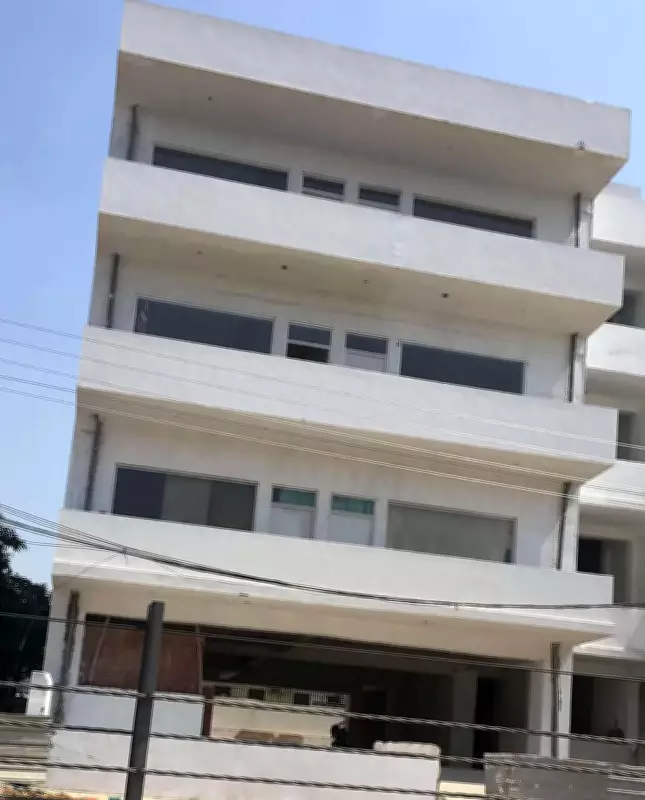
Punjab & Haryana High Court Halts Haryana's S+4 Building Policy in Gurgaon
The Punjab and Haryana High Court has issued a significant interim order, staying the Haryana government's controversial July 2, 2024 notification that permitted the construction of stilt-plus-four (S+4) residential buildings in Gurgaon. This decision comes in response to multiple public interest litigations (PILs) challenging the policy, with the court expressing serious concerns about inadequate urban infrastructure and potential risks to public safety.
Court's Interim Order and Key Observations
A bench comprising Chief Justice Sheel Nagu and Justice Sanjiv Berry restrained the government from proceeding with the S+4 policy "for the time being" until the next hearing scheduled for April 8. The court emphasized that this interim relief does not constitute a final view on the legality of the notification but addresses the urgency highlighted by petitioners after months of inconclusive arguments.
The court's primary concern centered on the apparent mismatch between Gurgaon's existing infrastructure and the additional burden that extra floors would create. Referring to a detailed on-ground inspection conducted by a court-appointed commission in DLF-1 and Sector 28, the bench noted alarming findings about the city's infrastructure degradation.

Infrastructure Deficiencies Revealed
According to the inspection report, internal roads originally planned to be 10-12 meters wide had been reduced to motorable widths of only 3.9 to 4.8 meters in practice. The court identified multiple factors contributing to this dangerous narrowing of usable road space:
- Widespread encroachments on public land
- Weak and inadequate sewage systems
- Insufficient sanitation infrastructure
- Severe overpopulation pressures
- Indiscriminate paving activities
- Unregulated construction practices
These conditions, the court observed, have already placed tremendous strain on civic infrastructure, and additional construction would exacerbate existing problems.
Expert Committee Recommendations Ignored
The bench also referenced recommendations from an expert committee constituted by the state government itself. This committee had advised that S+4 construction in existing sectors should only be permitted after conducting a comprehensive "infrastructure capacity audit." Such an audit was intended to assess the adequacy of:
- Water supply systems
- Sewerage and drainage networks
- Power distribution infrastructure
- Parking facilities
- Fire safety provisions
The court noted with concern that the government appeared to have implemented the policy without conducting this crucial audit, potentially worsening already visible problems including traffic congestion, flooding, and pressure on sewage and drainage systems.
Constitutional Obligations and Revenue Concerns
In a particularly strong observation, the court made a prima facie finding that the government, "merely to earn more revenue," had ignored critical infrastructure requirements. The bench suggested this approach compromised the government's constitutional obligation to ensure a clean and safe urban environment for citizens.
The July 2024 notification had allowed construction of an additional fourth floor on residential plots and introduced a composition policy for regularizing such construction, even where building plans had not been previously approved, subject to payment of specified charges.
Legal Background and Previous Proceedings
This interim relief marks a significant development in the ongoing legal battle. The high court had previously declined similar interim relief, but the Supreme Court, while disposing of a special leave petition in July 2025, allowed petitioners to seek interim relief before the high court on merits. The current stay order represents the court's response to this opportunity, balancing the need for urban development with essential infrastructure requirements and public safety considerations.

The case highlights the critical tension between urban development ambitions and infrastructure realities in rapidly growing cities like Gurgaon. As the matter proceeds to its next hearing in April, all stakeholders will be watching closely to see how the court balances development needs with essential public safety and infrastructure requirements.