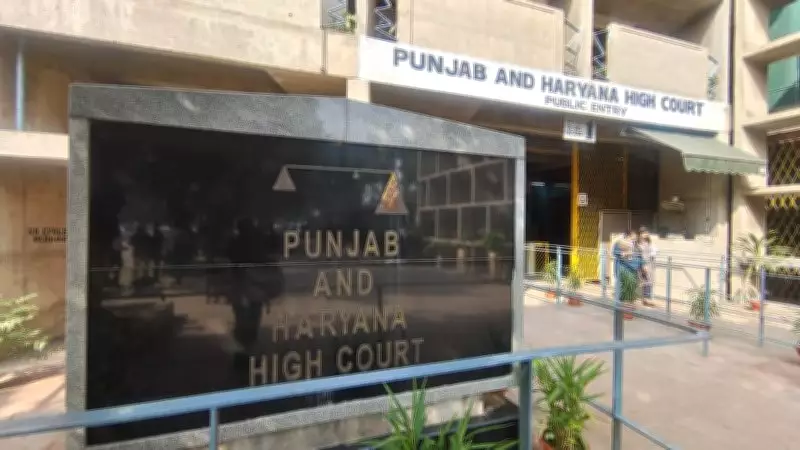
The Punjab and Haryana High Court has ruled that medical reimbursement cannot be denied to a patient solely on the ground that the treatment or procedure is not mentioned in the package list of the hospital. The court observed that every lock has its own key, meaning each medical condition requires a specific treatment approach, and denying reimbursement based on a rigid list would be unjust.
Case Background
The petitioner, a government employee, had sought reimbursement for a medical procedure that was not part of the approved package list of the hospital where the treatment was undertaken. The state authorities had rejected the claim, arguing that the treatment was not covered under the prescribed packages. However, the High Court found this reasoning flawed.
Court's Observations
Justice Sureshwar Thakur, presiding over the case, emphasized that medical treatments cannot be confined to a predetermined list. He stated, "Every lock has its own key, and similarly, every ailment may require a distinct medical intervention. To deny reimbursement simply because a particular treatment is not listed would be arbitrary and against the principles of justice."

The court further noted that the package list is meant to standardize costs but cannot be used to restrict necessary medical care. The judgment highlighted that the primary objective of medical reimbursement schemes is to ensure that employees receive adequate healthcare without financial burden.
Legal Implications
This ruling sets a significant precedent for similar cases where reimbursements are denied based on technicalities. The High Court directed the state to reconsider the petitioner's claim and reimburse the expenses within a stipulated time. Legal experts believe this decision will benefit many government employees who face hurdles in claiming medical expenses for treatments not explicitly listed in official packages.
Reactions
The petitioner's counsel welcomed the verdict, calling it a "victory for patient rights." The state government has not yet announced whether it will appeal the decision. Meanwhile, healthcare advocates have praised the court for recognizing the dynamic nature of medical treatment.
In conclusion, the Punjab and Haryana High Court's ruling reinforces that medical reimbursement policies should be interpreted flexibly to ensure access to necessary treatments, rather than being constrained by rigid administrative lists.