Kerala High Court Directs State to Reimburse Teacher for Daughter's Rare Disease Treatment
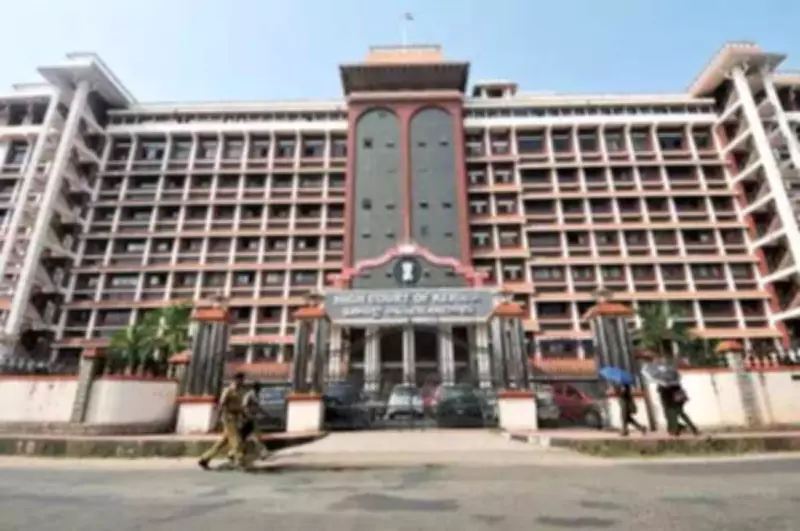
In a significant ruling, the Kerala High Court has ordered the state government to reimburse the medical expenses incurred by a government-school teacher for his daughter's treatment of a rare disease. The treatment was conducted at a non-empanelled hospital in Coimbatore, Tamil Nadu, as the necessary facilities were unavailable within Kerala.
Court's Directive and Timeline
The bench of Justice Harisankar V Menon issued this directive while hearing a petition filed by the teacher, who hails from Palakkad district. The court has mandated that the reimbursement must be completed within a strict timeframe of six weeks. This order challenges the state government's previous refusal to cover the costs, which was based on technical grounds regarding hospital empanelment.
Background of the Case
The petitioner's daughter was diagnosed with Adolescent Idiopathic Scoliosis (Type 6), a rare spinal condition. Recognizing that treatment facilities for this disease were not available in Kerala, the teacher initially sought prior approval from the state government for financial assistance. However, without waiting for a response, he proceeded with the treatment to ensure his daughter's health was not compromised.
In 2017, the teacher formally notified the government that the treatment was being carried out at a hospital in Coimbatore. Despite this, in October 2020, the state government rejected his applications, citing a circular that prohibits reimbursement for treatments at private, non-empanelled hospitals. A subsequent application in 2022 met the same fate, ultimately leading the teacher to approach the High Court for relief.
Court's Reasoning and Observations
The High Court took a compassionate and pragmatic view of the situation. It noted a certificate from the Palakkad district medical officer, which confirmed that local facilities for treating this rare disease were indeed unavailable. The court emphasized that the petitioner, acting as a concerned father, should not be penalized for seeking essential medical care for his daughter outside the state when it was not accessible within Kerala.
Justice Menon opined that the government should have considered the reimbursement request sympathetically, especially given the absence of treatment options in state-run or private hospitals within Kerala. The court underscored that bureaucratic hurdles should not override humanitarian concerns in such critical health matters.
Implications and Broader Context
This ruling highlights ongoing issues in healthcare accessibility and government reimbursement policies for rare diseases in India. It sets a precedent for similar cases where patients are forced to seek treatment outside their home state due to lack of local medical infrastructure. The decision reinforces the principle that government employees and their dependents should receive support for necessary medical treatments, even if it involves crossing state borders or using non-empanelled facilities.
The case also sheds light on the challenges faced by individuals dealing with rare diseases, often requiring specialized care that may not be available in all regions. It calls for more flexible and empathetic approaches in government health schemes to accommodate such exceptional circumstances.