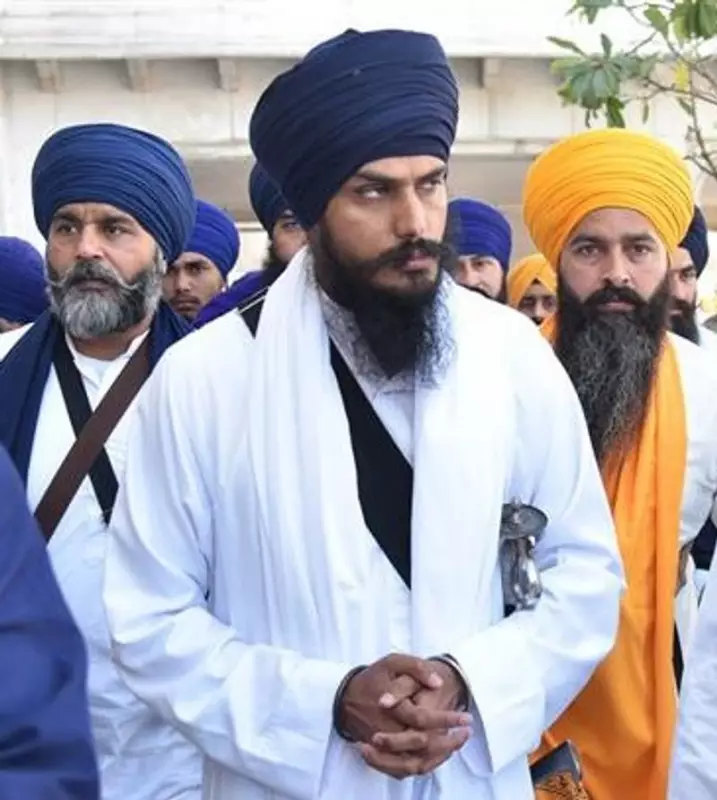
In a significant legal development, a judge at the Punjab and Haryana High Court has voluntarily stepped aside from presiding over a crucial petition filed by detained pro-Khalistan leader Amritpal Singh. The plea specifically requested judicial authorization for Singh to participate in Parliament sessions despite his current incarceration.
Details of the Judicial Recusal
The recusal occurred during a scheduled hearing where Justice Gurvinder Singh Gill decided to withdraw from the case, citing undisclosed personal reasons. This move has temporarily stalled the proceedings, necessitating the reassignment of the matter to another bench within the high court. Legal experts note that such recusals are not uncommon in the Indian judiciary, often aimed at ensuring impartiality and avoiding any potential conflicts of interest.
Background of Amritpal Singh's Case
Amritpal Singh, a prominent figure associated with the pro-Khalistan movement, has been in custody under the National Security Act (NSA) since April 2023. His detention followed a series of events linked to alleged activities threatening national security. The plea in question was part of his ongoing legal battles, seeking temporary release to fulfill what he claims are his democratic rights as a citizen to engage with parliamentary processes.
Implications for the Legal Proceedings
The recusal introduces a delay in the adjudication of Singh's request, which has garnered considerable public and media attention. It underscores the complexities involved in balancing security concerns with individual liberties within the framework of Indian law. The high court is expected to appoint a new judge promptly to resume hearings, with legal observers anticipating further arguments on the merits of allowing a detainee under the NSA to attend Parliament.
This incident highlights the judiciary's role in navigating sensitive cases involving national security and political activism. As the case progresses, it will likely set precedents regarding the rights of individuals in custody to participate in legislative functions, reflecting broader debates on democracy and security in contemporary India.