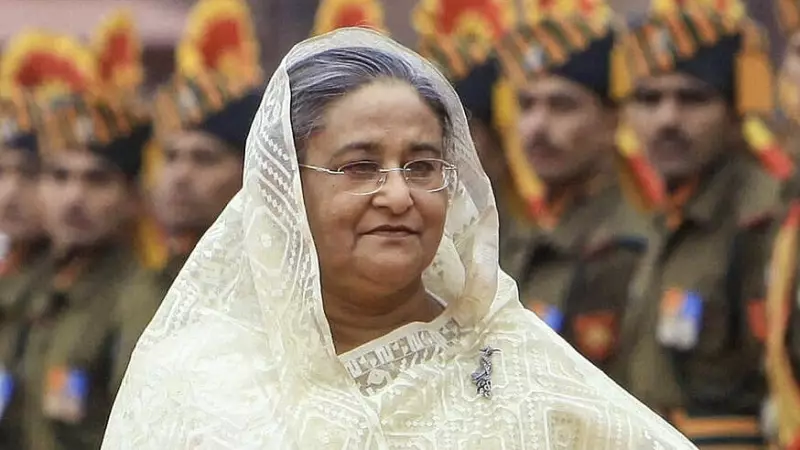
In a dramatic political development, Bangladesh Prime Minister Sheikh Hasina has issued a direct call to the people of Bangladesh to overthrow what she described as the 'illegal' Yunus regime, mere weeks before the nation heads to the polls. This provocative message was delivered through a pre-recorded audio clip that was played at a significant event held in New Delhi, India, marking a notable escalation in the already tense political climate of Bangladesh.
Timing and Context of the Message
The audio message from Hasina was broadcast on January 23, 2026, a date that holds particular significance as it came just one day after the official campaigning period for the February 12 parliamentary elections commenced in Bangladesh. This timing underscores the strategic nature of her statement, aimed at galvanizing support and shaping public opinion at a critical juncture in the electoral process.
Event Details in New Delhi
The event in New Delhi where the audio clip was played served as a platform for Hasina's message to reach an international audience, highlighting the cross-border implications of Bangladesh's internal political dynamics. While specific details about the event's organizers or attendees were not disclosed, its location in India's capital adds a layer of diplomatic nuance to the situation, given the close ties between the two neighboring countries.
Political Implications and Reactions
Hasina's characterization of the Yunus regime as 'illegal' is a bold move that is likely to intensify political divisions within Bangladesh. This regime, presumably referring to political opponents or a faction led by figures associated with Muhammad Yunus, a Nobel laureate and prominent figure in Bangladeshi civil society, has been a point of contention in the country's political landscape.
The call for overthrow raises several critical questions:
- How will this message impact voter sentiment and turnout in the upcoming elections?
- What are the potential legal and constitutional ramifications of such a statement from a sitting prime minister?
- How might international observers and neighboring countries, including India, respond to this escalation?
Background on Bangladesh's Electoral Climate
Bangladesh has a history of politically charged elections, with previous cycles marred by allegations of irregularities, violence, and boycotts. The current build-up to the February 12 polls has been no exception, with heightened tensions between the ruling Awami League, led by Hasina, and various opposition groups. Hasina's latest message could be seen as an attempt to rally her base and delegitimize her opponents ahead of the vote.
As the campaigning period progresses, all eyes will be on how this development influences the electoral dynamics. The international community, particularly organizations monitoring democratic processes, may issue statements or express concerns about the stability and fairness of the upcoming elections in light of such inflammatory rhetoric.
In summary, Sheikh Hasina's call for the overthrow of the Yunus regime, delivered from New Delhi just before Bangladesh's parliamentary elections, marks a significant moment in the nation's political saga. It reflects deep-seated rivalries and sets the stage for a potentially tumultuous electoral period, with implications that extend beyond Bangladesh's borders.