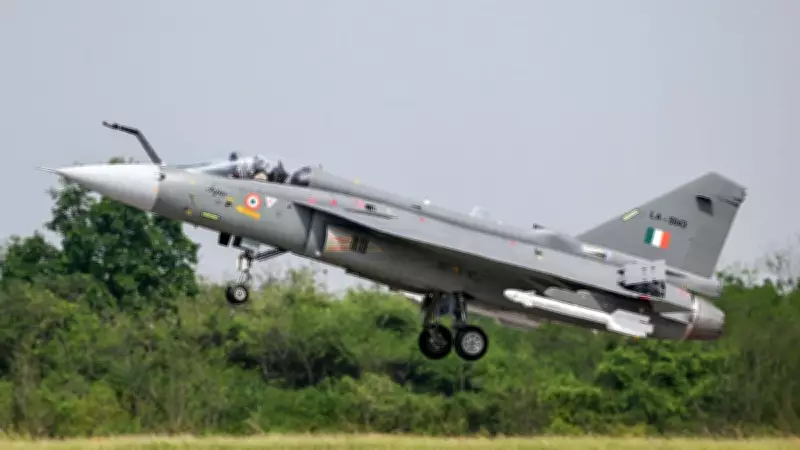
The alleged forgery of Tejas Mk1A test reports by TEC Aero Devices has sparked a major controversy involving Hindustan Aeronautics Limited (HAL). The case revolves around accusations that TEC Aero Devices, a private aerospace firm, fabricated test reports for components used in the Tejas Mk1A light combat aircraft. This has raised serious questions about quality control and safety protocols in India's defense sector.
What is the Alleged Forgery Case?
According to reports, HAL had contracted TEC Aero Devices to supply certain components for the Tejas Mk1A program. However, during routine audits, HAL discovered discrepancies in the test reports submitted by TEC Aero Devices. It is alleged that the company forged critical test data to show compliance with stringent aerospace standards. The forged reports reportedly pertained to structural integrity and performance parameters of components, which are crucial for the aircraft's safety.
Key Allegations Against TEC Aero Devices
- Fabrication of test data: TEC Aero Devices is accused of creating false test results for components, including those related to fatigue and stress testing.
- Non-compliance with standards: The alleged forgery suggests that the components may not meet the required military specifications, potentially compromising the aircraft's operational safety.
- Breach of contract: HAL claims that TEC Aero Devices violated the terms of their agreement by submitting fraudulent documents.
HAL's Response and Actions Taken
Upon uncovering the alleged forgery, HAL immediately launched an internal investigation. The defense public sector undertaking has reportedly suspended all contracts with TEC Aero Devices pending a full inquiry. HAL has also informed the Indian Air Force and the Ministry of Defence about the issue. Sources indicate that HAL is reviewing all components supplied by TEC Aero Devices to ensure no substandard parts were integrated into the Tejas Mk1A fleet.

Impact on Tejas Mk1A Program
The Tejas Mk1A is an advanced variant of the indigenous light combat aircraft, with the Indian Air Force ordering 83 units. The forgery case has raised concerns about potential delays in delivery and additional costs for re-testing and component replacement. However, HAL has assured that the aircraft's safety remains paramount and that all necessary corrective measures will be taken. The Indian Air Force is closely monitoring the situation to ensure operational readiness is not compromised.
Broader Implications for India's Defense Sector
This incident highlights the challenges in maintaining quality standards across the defense supply chain. It underscores the need for robust oversight mechanisms to prevent such fraudulent practices. The case also brings attention to the role of private players in India's defense manufacturing ecosystem and the importance of strict adherence to protocols. Experts believe that this could lead to tighter regulations and more stringent auditing processes for defense contracts.