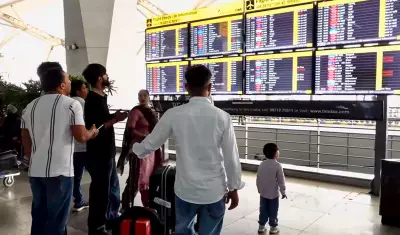
Gulf Airlines Restart Operations as Regional Conflict Fuels Travel Turmoil
In a significant development for global aviation, major Gulf carriers have announced the partial resumption of flight services, even as the ongoing conflict in West Asia continues to create widespread travel chaos and operational challenges. This move aims to restore critical air links disrupted by regional tensions.
Etihad and Emirates Lead Flight Resumption Efforts
The resumption involves flights operating to and from Abu Dhabi, connecting to 25 key international destinations across multiple continents. This strategic restart by carriers like Etihad Airways and Emirates represents a cautious step toward normalizing air travel in the region.
The list of resumed destinations includes major global hubs:
- London and Paris in Europe
- Frankfurt as a central European connection point
- Delhi representing South Asian routes
- New York and Toronto in North America
Conflict Continues to Impact Regional Travel Infrastructure
Despite these resumptions, the West Asia conflict remains a significant factor affecting travel patterns and airline operations. The partial nature of the flight restarts reflects the ongoing volatility in the region, with airlines implementing flexible schedules and enhanced security protocols.
Aviation analysts note that the selective resumption allows carriers to maintain essential connectivity while managing risks associated with the conflict zone. The approach balances operational needs with passenger safety considerations.
Global Aviation Network Adjusts to New Realities
The flight resumptions come as the global aviation industry adapts to the persistent disruptions caused by the West Asia situation. Airlines are implementing contingency plans that include:
- Dynamic routing adjustments to avoid conflict-affected airspace
- Enhanced communication with passengers regarding schedule changes
- Increased coordination with international aviation authorities
- Flexible booking policies for affected routes
The resumption of these Gulf carrier flights, while limited in scope, represents an important development for international travelers and the global aviation ecosystem. As the conflict continues to evolve, airlines remain prepared to adjust their operations based on security assessments and regional developments.