Gujarat Panchayat Member Appeals to High Court Over Disqualification Under Two-Child Norm
A gram panchayat member from Aravalli district in Gujarat has taken his case to the Gujarat High Court following his removal from office due to an alleged violation of the state's two-child policy. Shanaji Khant, who was elected unopposed as the Ward No 7 member of Netrodi village gram panchayat in June 2025, faced disqualification after official records indicated he had a third child, contravening the Gujarat Panchayat Act.
Disqualification Order and Legal Challenge
The Bayad taluka development officer (TDO) issued the disqualification order under Section 30 of the Gujarat Panchayat Act, which bars individuals with more than two children from holding panchayat positions. This action was based on village birth and death records that listed Khant as the father of a third child. However, Khant has vehemently contested this, asserting that the child in question is adopted, not biologically his, and that he took in the girl from a financially struggling relative.
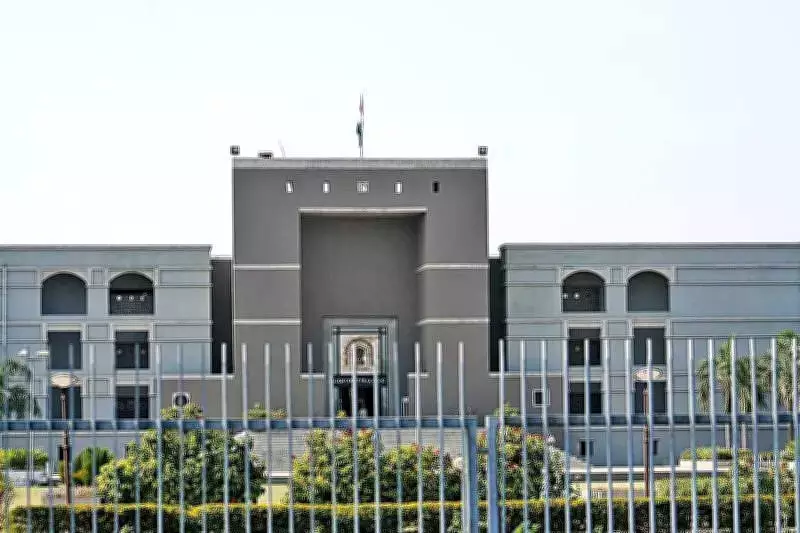
In his petition to the high court last week, Khant argued that the allegation was baseless and sought urgent judicial intervention, especially with fresh elections for the vacant post imminent. During the hearing, Justice Niral Mehta questioned why Khant had not filed an appeal against the TDO's order earlier. Khant's advocate explained that the election was scheduled within days, leaving no time for alternative remedies and necessitating a swift court ruling.
Court Proceedings and Evidence Issues
The high court reviewed the documents presented, including the birth certificate that explicitly names Khant as the father. When Khant insisted the child was adopted, the court requested an adoption deed to substantiate his claim. His advocate, however, submitted that Khant, being illiterate, might not have been aware of the legal requirement for such a deed and instead provided only an affidavit from the relative.
Justice Mehta raised concerns about how the court could proceed under Article 226 of the Constitution given the disputed facts, emphasizing the lack of an adoption deed and the conflicting birth certificate. In response, Khant's lawyer requested additional time to gather and present relevant documentation. The high court has adjourned the case, scheduling the next hearing for Tuesday to allow for further evidence submission.
This case highlights the complexities surrounding the enforcement of the two-child norm in local governance and raises questions about the legal recognition of adoption in such contexts. As the matter unfolds, it could set a precedent for similar disputes in Gujarat and beyond, impacting how panchayat eligibility is determined in cases involving non-biological children.