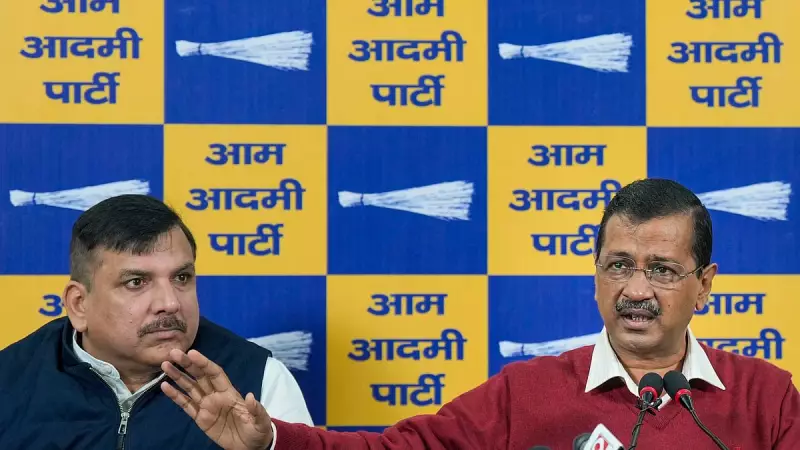
Gujarat High Court Dismisses AAP Leaders' Pleas for Separate Trials
The Gujarat High Court delivered a significant ruling today. It dismissed the pleas filed by Aam Aadmi Party leaders Arvind Kejriwal and Sanjay Singh. The two leaders sought separate trials in a criminal case against them.
Case Centers on Alleged Defamatory Remarks
The case originates from charges filed by Gujarat University. The state-run university initiated criminal proceedings against Kejriwal and Singh. The charges relate to alleged defamatory remarks made by the two leaders. These remarks concerned Prime Minister Narendra Modi's academic degrees.
The court heard arguments from both sides. After deliberation, it decided to reject the pleas for bifurcation of the trial. This means Kejriwal and Singh will face a joint trial in the matter.

Legal Proceedings Move Forward
This ruling marks a key development in the ongoing legal battle. The AAP leaders are prominent figures in Indian politics. Kejriwal serves as the Chief Minister of Delhi. Sanjay Singh is a Rajya Sabha MP from the party.
The case has attracted considerable public and media attention. It touches on issues of political discourse and legal accountability. The Gujarat University's complaint alleges that statements made by the leaders damaged the reputation of the Prime Minister and the institution.
With the High Court's decision, the trial will proceed as a single case. Legal experts note this could streamline the judicial process. However, the defense may explore other legal options. The court has scheduled the next hearing for later this month.
Political observers are watching the case closely. It occurs against the backdrop of ongoing tensions between the AAP and the ruling party at the center. The outcome could have implications for political campaigning and free speech debates in the country.
The Gujarat High Court's order is now final unless challenged in a higher court. Both Kejriwal and Singh have maintained their innocence. They argue their comments were made in the public interest. The trial court will examine the evidence and arguments in due course.