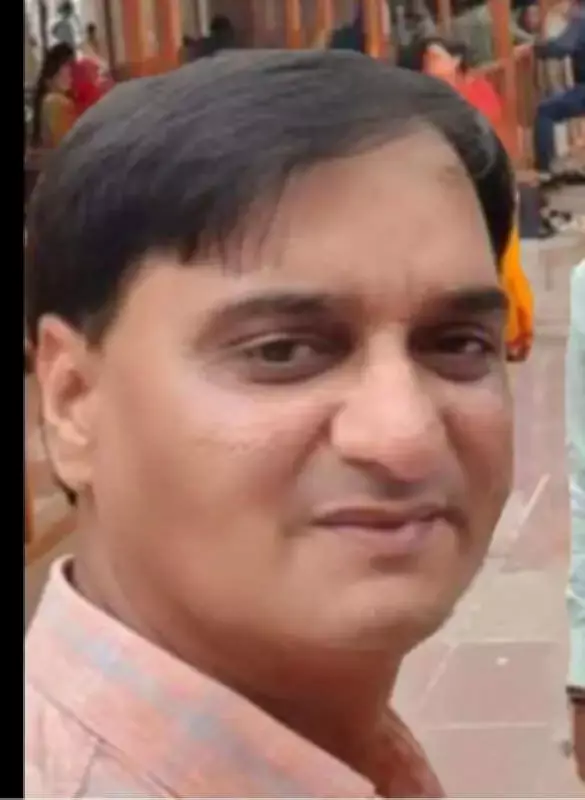
Gujarat High Court Orders Full Trial in NEET-UG OMR Sheet Manipulation Case
The Gujarat High Court has delivered a significant ruling by refusing to discharge Dixit Patel, the chairman of the Jay Jalaram Education Trust, in the alleged NEET-UG 2024 OMR answer sheet manipulation case. The court held that the material on record discloses prima facie evidence and grave suspicion that necessitates a comprehensive trial to determine the facts and ensure justice.
Background of the Case and Arrest
Dixit Patel was arrested by the Central Bureau of Investigation (CBI) in June 2024 as part of an ongoing investigation into irregularities surrounding the National Eligibility cum Entrance Test for Undergraduate programs (NEET-UG) conducted that year. The case centers on accusations that Patel was involved in manipulating OMR sheets at two schools operated by the Jay Jalaram Education Trust, both of which served as examination centers for NEET-UG 2024.
According to the prosecution, Patel and other accused individuals allegedly conspired to collect substantial sums of money from candidates by promising them inflated marks in the critical medical entrance examination. This scheme reportedly targeted aspiring medical students seeking to secure MBBS seats either in India or abroad.

Alleged Manipulation Scheme Details
The CBI's case outlines a detailed manipulation process where students were instructed to leave their OMR answer sheets either completely blank or only partially answered during the exam. They were then allegedly assured by the accused that correct responses would be filled in later, post-examination, by those involved in the conspiracy.
This manipulation was designed to enable candidates to achieve unusually high scores, thereby significantly improving their chances of obtaining coveted MBBS seats. The prosecution argues that this not only compromised the integrity of the NEET-UG examination but also undermined fair competition among thousands of genuine aspirants.
Court Proceedings and Arguments
During the proceedings before the Gujarat High Court, special CBI counsel presented arguments emphasizing that Patel and his co-accused acted in coordination to manipulate the exam process for financial gain. The counsel highlighted Patel's influential position as trustee of the education trust and pointed to statements recorded during the investigation that, when considered collectively, indicated a meeting of minds among the accused parties.
In response, Patel's defense counsel argued that he had no direct role in appointing key personnel such as the city coordinator or deputy center superintendent at the exam centers. Furthermore, the defense contended that no direct evidence conclusively connected Patel to acts of corruption or conspiracy, suggesting the allegations were based on circumstantial factors.
High Court's Rationale and Order
The Gujarat High Court, however, was not persuaded by these defense arguments. In its order, the court explicitly stated: "Where the materials placed before the court disclose grave suspicion against the accused which has not been properly explained, the court will be fully justified in framing a charge and proceeding with the trial."
The court noted that Patel's position as trustee, combined with the investigative statements, created sufficient grounds to proceed. It emphasized that the evidence presented raises serious questions that can only be resolved through a full trial, where all aspects of the case can be thoroughly examined and tested.
Implications and Next Steps
This ruling underscores the judiciary's commitment to addressing examination malpractices, particularly in high-stakes tests like NEET-UG that determine the futures of medical aspirants across India. By ordering a full trial, the court has ensured that the allegations will be scrutinized in detail, potentially setting a precedent for how similar cases are handled in the future.
The case will now move forward to trial, where both the prosecution and defense will have the opportunity to present their evidence and arguments. The outcome could have far-reaching implications for educational trust governance, examination security protocols, and legal accountability in cases of academic fraud.

As the legal process continues, stakeholders in the education and medical sectors will be closely monitoring developments, given the case's potential impact on trust in national entrance examinations and the broader fight against corruption in India's competitive academic landscape.