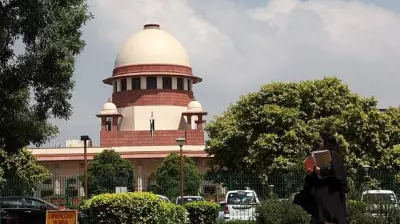
Gujarat High Court Overturns Conviction in Wife's Suicide Case
The Gujarat High Court has acquitted a man who was previously sentenced to five years in prison for allegedly abetting his wife's suicide. The court's decision centered on significant contradictions found within the victim's dying declaration, which the judges deemed unreliable for establishing guilt.
Case Background and Initial Conviction
In March 2005, a woman died from burn injuries in her flat located in the Motera area of Ahmedabad. Her husband was charged under Sections 306 and 498A of the Indian Penal Code, which pertain to abetment of suicide and cruelty, respectively, as well as under the Prohibition of Dowry Act. In December 2005, a Gandhinagar sessions court convicted him, imposing the maximum jail term under Section 306. The prosecution argued that he had driven his wife to suicide through harassment and dowry demands.
Legal Challenge and Key Arguments
The husband challenged his conviction through his advocate, Yogin Bhambhani, who presented a compelling case before the High Court. Bhambhani argued that the victim's dying declaration contained two inconsistent versions: one suggesting the burns were accidental due to a kerosene stove, and another indicating she had attempted suicide. This inconsistency, he contended, weakened the prosecution's case significantly.
Court's Analysis and Ruling
In her verdict, Justice Gita Gopi meticulously examined the evidence. She noted that the dying declaration, recorded by an executive magistrate, presented conflicting accounts within the same document. "The inconsistency in the same document itself makes the document weak," Justice Gopi stated. Furthermore, the court considered the victim's medical condition, highlighting that she had suffered third-degree burns and would have been administered antibiotics and pain relief injections, potentially leading to a state of delirium. Without clear evidence of instigation or mens rea (guilty mind) from the husband, the court found no basis for conviction under the charged sections.
Implications and Broader Context
This ruling underscores the critical importance of reliable evidence in criminal cases, particularly those involving sensitive issues like suicide abetment. The High Court's decision to acquit emphasizes that legal standards must be met beyond reasonable doubt, and inconsistencies in key documents can lead to overturning convictions. The case also highlights the challenges in prosecuting such offenses, where emotional and circumstantial evidence often plays a significant role.
In summary, the Gujarat High Court's acquittal serves as a reminder of the judiciary's role in ensuring justice based on factual accuracy and legal rigor, setting a precedent for similar cases in the future.