Major Terror Plot Foiled: Gujarat ATS Arrests Three in Ricin Conspiracy
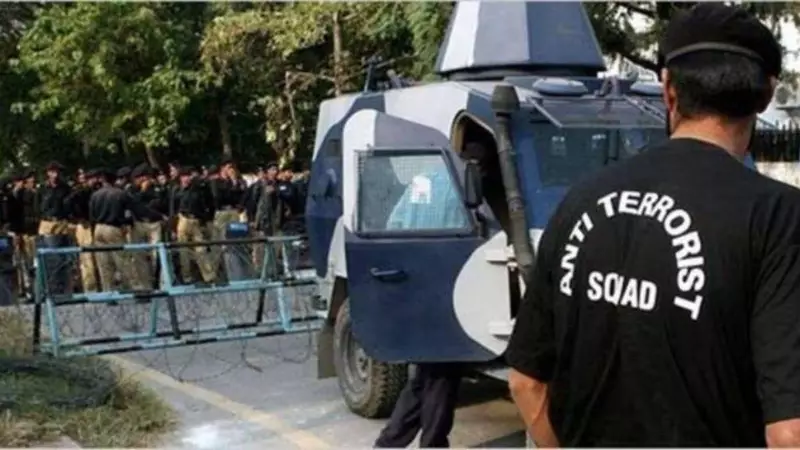
The Gujarat Anti-Terrorist Squad (ATS) has successfully thwarted a major terrorist conspiracy involving the deadly chemical agent Ricin, arresting three individuals including a Foreign Medical Graduate from China. The arrests were made on Sunday, November 9, 2025, following intensive surveillance and intelligence operations.
The Mastermind and International Connections
Dr Ahmed Mohiyuddin Saiyed, a 35-year-old resident of Hyderabad, Telangana, has been identified as the key conspirator in the plot. According to officials, Saiyed holds an MBBS degree from China and was actively planning to produce Ricin - a lethal toxin listed on international chemical and biological weapons registers.
During interrogation, Saiyed revealed that his handler was Abu Khadija, a resident of Afghanistan associated with the Islamic State Khorasan Province (ISKP). The investigation also uncovered that Saiyed had been in contact with several individuals from Pakistan, indicating international terror connections.

Weapons Cache and Deadly Plans
The breakthrough came when Deputy SP S L Chaudhary received confidential information about Saiyed's involvement in the conspiracy and his arrival in Ahmedabad. A team under ATS SP K Siddharth intercepted Saiyed's silver Ford Figo car ahead of the Adalaj Toll Plaza on Ahmedabad-Mehsana Road.
During the vehicle search, authorities recovered two Glock pistols, one Beretta pistol, 30 live cartridges, and approximately 4 litres of castor oil stored in a 10-litre plastic container. Castor oil is significant as Ricin can be extracted from castor beans (Ricinus communis).
Sunil Joshi, Deputy Inspector General (DIG), stated at a press conference that Saiyed had obtained the weapons cache from a deserted location near Kalol using a dead drop method.
Expanded Network and Additional Arrests
Following forensic examination of digital devices in Saiyed's possession, the ATS team under deputy superintendents K P Patel and V K Parmar apprehended two more accomplices from Uttar Pradesh.
The additional accused have been identified as Azad Suleman Sheikh, a 20-year-old tailor from Shamli, and Mohammad Suhail Mohammad Saleem Khan, a 23-year-old student from Lakhimpur Kheri. Both individuals were detained from Banaskantha.
Investigations revealed that Sheikh and Khan had provided the bag containing pistols and cartridges to Saiyed and assisted in anti-national activities. Both were found to harbor extremist ideology and had conducted reconnaissance of several sensitive locations in Lucknow, Delhi, and Ahmedabad.
When questioned about the source of weapons, the accused disclosed that their handler sends arms consignments via drone across the Pakistan border from Hanumangarh, Rajasthan.
The Deadly Nature of Ricin
Ricin represents one of the most dangerous chemical threats due to its extreme toxicity and the absence of any known antidote worldwide. Even minor doses can be fatal to humans, making it a preferred tool for assassinations despite challenges in effective dispersal mechanisms.
The substance has historical significance in terror attempts, having been used in letters allegedly mailed to two US Presidents - Barack Obama in 2013 and Donald Trump in 2020 - though both attempts were successfully intercepted at mail sorting stages.
Legal Action and Ongoing Investigation
On November 8, all three arrested individuals along with wanted accused Abu Khadija were booked under relevant sections of the Unlawful Activities (Prevention) Act (UAPA), the Bharatiya Nyaya Sanhita, and the Arms Act.
Ahmed Mohiyuddin Saiyed has been produced before the court, and police remand has been granted until November 17. The Gujarat ATS confirmed that further investigation is ongoing to identify and apprehend additional individuals involved in this dangerous conspiracy.
This operation marks a significant achievement in India's counter-terrorism efforts, preventing what could have been a devastating chemical attack on multiple Indian cities.