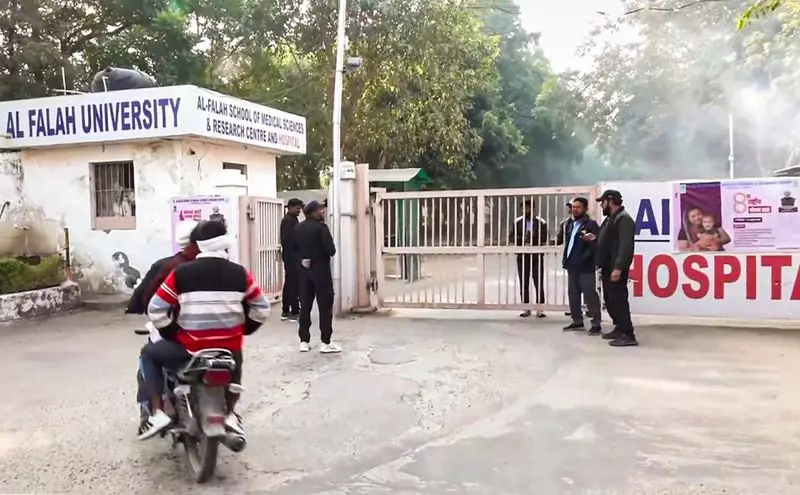
In a significant development in India's counter-terrorism efforts, the family members of a key suspect in the Faridabad terror module case have been placed under house arrest as investigations intensify. The National Investigation Agency (NIA) has taken this preventive measure while probing deeper into the alleged ISIS-inspired network operating from the Haryana city.
The House Arrest Order
The wife and daughter of Dr. Nisar Ahmed, the main accused in the case, are currently confined to their residence under official supervision. This decision came after authorities determined they might possess crucial information about the terror activities and could potentially tamper with evidence or influence the investigation.
The house arrest follows the recent raids conducted by multiple agencies including the NIA and Enforcement Directorate (ED) on properties linked to the accused. Investigators believe that Dr. Nisar's family members had knowledge of his activities and might have been involved in supporting the alleged terror network either directly or indirectly.
Multiple Agency Investigation Intensifies
Both the NIA and ED are jointly investigating the financial aspects of the terror module, focusing on how funds were channeled and utilized for alleged terrorist activities. The probe has revealed suspicious transactions and funding patterns that suggest organized financial backing for the module's operations.
Investigators have uncovered evidence indicating that the Faridabad-based group was actively planning terrorist activities inspired by ISIS ideology. The module allegedly had connections with international terror networks and was in the process of establishing local cells to carry out attacks within India.
Key Findings and Evidence
During multiple raids conducted over the past weeks, agencies have recovered digital evidence, communication devices, and documents that point toward the group's intentions and capabilities. The evidence suggests the module was in advanced stages of planning, though specific targets remain under investigation.
The financial probe has revealed complex transaction patterns designed to avoid detection. The ED is particularly focused on tracing the source of funds and identifying all individuals involved in the financial network supporting the alleged terror activities.
Broader Implications and Security Measures
This case highlights the persistent threat of ISIS-inspired terrorism in India and the sophisticated methods employed by such modules to avoid detection. The involvement of educated professionals like Dr. Nisar in alleged terror activities has raised concerns about radicalization patterns in urban areas.
Security agencies have stepped up surveillance and intelligence gathering operations across the National Capital Region following these developments. The case has prompted reviews of existing counter-terrorism protocols and coordination mechanisms between state and central agencies.
The investigation continues to unfold with authorities expecting more arrests and revelations in the coming days. The house arrest of family members represents a strategic move by investigators to prevent evidence destruction while gathering more information about the network's operations and connections.