Fake Currency Tip-Off Unravels Major Cocaine Network in Jammu
In a significant breakthrough, Jammu and Kashmir Police have dismantled a cocaine trafficking ring, recovering narcotics valued at approximately Rs 19 crore. The investigation was triggered by an unusual deposit of counterfeit currency notes at a local bank branch, which ultimately exposed the illicit activities of a factory driver.
Counterfeit Deposit Raises Initial Alarm
The case began on February 3, when the manager of the Punjab National Bank branch in Bari Brahmana filed a formal complaint regarding the deposit of fake currency notes totaling Rs 9,000. Acting swiftly on this information, the Bari Brahmana police station registered a case and launched a detailed investigation into the matter.
Police identified the individual behind the deposit as Dil Mohammad, a driver employed at a private factory, who resided on the outskirts of Jammu city. This initial lead set the stage for a deeper probe into his financial dealings and background.

Bank Balances Spark Suspicion and SIT Formation
As part of the investigative process, authorities obtained and scrutinized the bank account statements of the accused from two financial institutions. The examination revealed startling figures: a balance of around Rs 18 lakh in a J&K Bank account and approximately Rs 2.4 lakh in a PNB account.
Given that Dil Mohammad worked as a driver—a profession typically associated with modest earnings—the substantial sums in his accounts raised immediate red flags. To thoroughly investigate the source of these funds, the Senior Superintendent of Police (SSP) in Samba district constituted a Special Investigation Team (SIT).
Sustained Interrogation Leads to Drug Confession and Recovery
During intensive questioning by the SIT, the accused confessed to being involved in cocaine sales over an extended period. He admitted that the large bank deposits were proceeds from his drug trafficking operations.
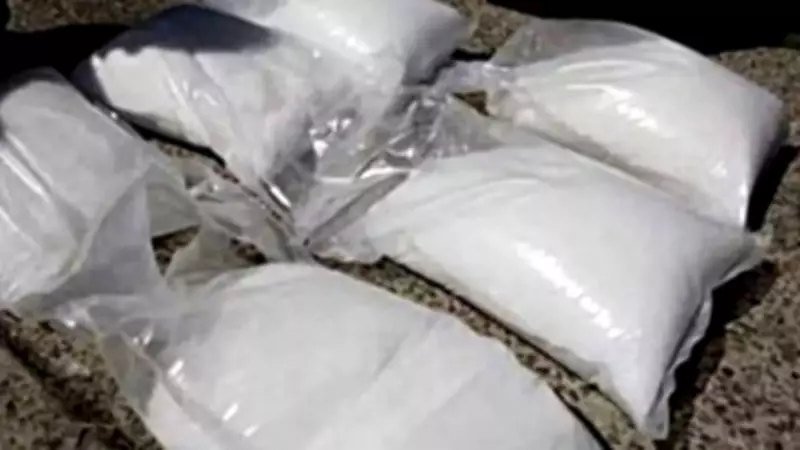
Following his disclosure, police conducted a raid and recovered two packets of cocaine, meticulously wrapped in cardboard and sealed with cellotape. The contraband, weighing nearly 1.9 kilograms, was found concealed in the garage of the factory where Dil Mohammad worked as a driver.
The seizure was executed on the spot in the presence of a magistrate, adhering to all legal protocols. Consequently, relevant sections of the Narcotic Drugs and Psychotropic Substances (NDPS) Act have been invoked against the accused. The investigation remains ongoing as authorities delve deeper into the network and potential accomplices.
This case underscores how vigilant banking practices and coordinated police efforts can disrupt major drug syndicates, even when perpetrators attempt to operate under the radar.