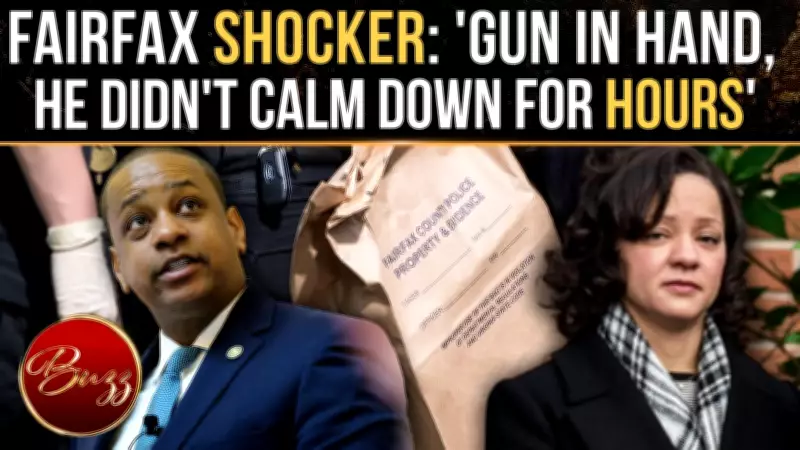
Court Documents Unveil Troubling Timeline Before Fairfax Tragedy
Recently unsealed court documents have shed stark light on the distressing sequence of events that preceded the tragic murder-suicide involving former Virginia Lieutenant Governor Justin Fairfax. The filings, which emerged in April 2026, reveal a series of alarming warning signs that were apparent in the months leading up to the incident where Fairfax shot his wife and then himself.
Detailed Breakdown of the Preceding Months
The court records meticulously outline a troubling timeline that began with a prior psychological crisis experienced by Fairfax. This mental health episode was documented and raised significant concerns among those close to him and within legal circles.
In a particularly ominous development, the documents confirm that Fairfax purchased a handgun during this period. This acquisition occurred against the backdrop of his deteriorating mental state, adding a lethal dimension to the unfolding personal crisis.

Judicial Concerns and Missed Opportunities
Perhaps most tellingly, the filings reveal that a judge had explicitly expressed concerns about Fairfax's mental state. This judicial apprehension was formally recorded, indicating that professionals within the legal system had recognized potential danger signs well before the ultimate tragedy unfolded.
The documents paint a picture of multiple red flags that, in retrospect, suggested escalating risk. These included the psychological crisis, the firearm purchase, and the judicial warnings—all elements that collectively pointed toward a deteriorating situation that culminated in violence.
Broader Implications and Unanswered Questions
This revelation raises important questions about intervention protocols and mental health support systems for public figures and individuals in crisis. The case highlights how warning signs, even when documented by authorities, may not always trigger adequate preventive measures.
The Fairfax tragedy serves as a sobering reminder of the complex interplay between mental health challenges, access to firearms, and the responsibilities of judicial and support systems. As more details emerge from these court documents, they provide crucial context for understanding how such preventable tragedies can occur despite visible warning signs.