European Parliament Adopts Hardline Resolution on Iran
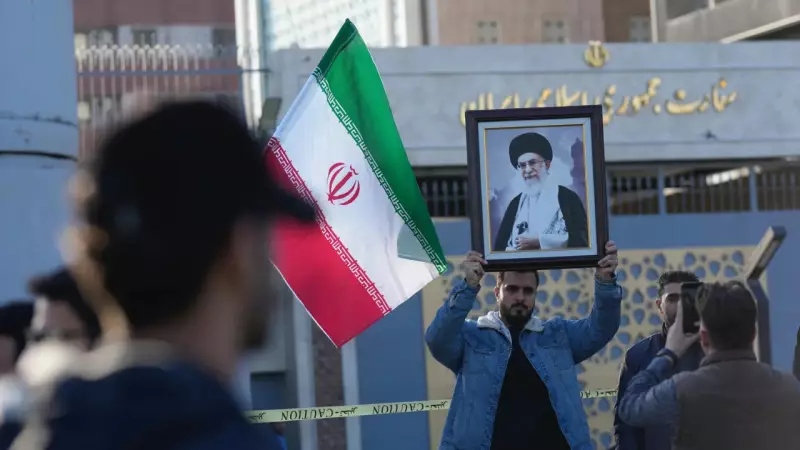
The European Union has taken a firm and uncompromising stance against Iran, explicitly calling for the nation to achieve freedom and directly targeting what it terms as "oppressors" within the Iranian leadership. This bold declaration from the European Parliament represents a significant escalation in diplomatic rhetoric, coming at a time when global attention is sharply focused on Iran's internal affairs and international relations.
Metsola's Powerful Declaration on Social Media
Roberta Metsola, the President of the European Parliament, made this position unequivocally clear through a post on the social media platform X on Thursday. "From the streets of Tehran to the heart of the European Parliament, the message is clear: Iran must be free. Iran will be free," Metsola declared with conviction. She further emphasized that the European Parliament had overwhelmingly voted to support the aspirations and struggles of the Iranian people, marking a formal institutional alignment with their cause.
Metsola elaborated that the European Parliament's resolution includes several specific and decisive demands aimed at the Iranian government. Among these demands is the controversial call to designate the Islamic Revolutionary Guard Corps (IRGC) as a "terrorist organisation," a move that would carry significant diplomatic and economic implications for Iran's military apparatus.

The European Union's Four Key Demands
The resolution outlines four primary demands that the European Parliament is pressing upon Iranian authorities:
- Stop the violence: Immediately end the brutal crackdown and mass killings of peaceful protesters who have taken to the streets to voice their grievances.
- Halt executions: Cease all state-sanctioned killings that are being used as tools to silence dissent and intimidate the population.
- Free the brave: Release every imprisoned demonstrator and political prisoner who has been detained during the recent unrest.
- Target the oppressors: Formally designate the IRGC as a terrorist organisation and ensure accountability for those responsible for human rights violations.
Metsola concluded her message with words of solidarity directed toward the Iranian people: "To the courageous people of Iran: Even when cables are cut, we hear you. Even when blackouts fall, we see you. You are not alone. The European Parliament stands firmly with you." This statement underscores the EU's commitment to maintaining awareness and support despite communication challenges within Iran.
Trump's Surprising Diplomatic Shift
This European hardline approach emerges simultaneously with a notable softening in tone from United States President Donald Trump regarding Iran. During his presentation of the "Board of Peace" initiative at the World Economic Forum in Davos, Trump revealed that Iran has expressed interest in holding discussions. "Iran does wanna talk and we will talk," the US president stated, marking a significant departure from his previous bellicose rhetoric.
From Military Threats to Peace Overtures
Trump's renewed emphasis on diplomatic engagement follows weeks of heightened tension between Washington and Tehran. Just days earlier, the American president had publicly threatened military action in response to Iran's violent suppression of some of the largest street protests the country has witnessed in years. According to various reports, this crackdown resulted in thousands of casualties among demonstrators.
The president indicated he would hold back on further military strikes, citing assurances that Iran's leadership has temporarily paused the planned executions of more than 800 detained protesters. This development suggests a potential opening for de-escalation and dialogue between the two historically adversarial nations.

The Complex Dynamics of Trump's Iran Policy
Even as he signaled restraint, Trump framed his diplomatic approach as fundamentally connected to continued pressure on Tehran. In the period leading up to his unveiling of the proposed Board of Peace, the American leader reiterated his hardline posture toward Iran, recalling his earlier warnings about potential strikes on Iran's nuclear facilities from June of the previous year. Trump claimed these earlier threats helped create conditions that facilitated the ceasefire between Israel and Hamas, suggesting he views pressure and diplomacy as complementary rather than contradictory approaches.
Context of Iranian Unrest
The recent surge of demonstrations in Iran, which lasted approximately two weeks beginning in late December, presented one of the most direct challenges in years to the clerical establishment led by Supreme Leader Ayatollah Ali Khamenei. While the European Parliament's resolution makes apparent reference to Khamenei and his administration as "oppressors," the unrest has largely subsided following a harsh government crackdown that activists claim resulted in thousands of fatalities.
This complex international situation reveals divergent approaches among Western powers, with the European Union adopting increasingly confrontational rhetoric while the United States appears to be exploring diplomatic openings. The coming weeks will likely determine whether these contrasting strategies will complement or contradict each other in addressing the multifaceted challenges presented by Iran's domestic situation and international relations.