








Politics

TMC's Fort or BJP's Breakthrough: 7 Districts to Decide Bengal's Fate
High voter turnout and anti-incumbency sentiment shape the second phase of West Bengal elections. Seven crucial districts, including Kolkata and North 24 Parganas, will determine whether TMC retains power or BJP makes a breakthrough.





World

U.S. Navy Raid on Iranian Ship Goes Wrong as Marines Storm Then Retreat
U.S. Marines fast-rope onto a cargo ship near Iran but retreat minutes later. The operation on M/V Blue Star III in the Arabian Sea raised suspicions of violating U.S. blockade.



Entertainment

6 Astrological Remedies to Boost Self-Confidence and Inner Strength
Discover 6 astrological remedies to boost self-confidence, including sun worship, gemstones, mantra chanting, colors, fasting, and charity.



Business
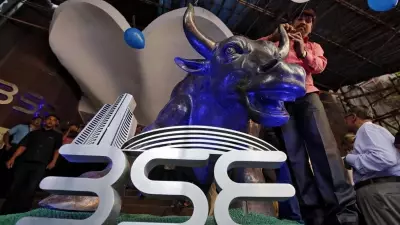
Sensex, Nifty Rebound Nearly 1% as FMCG, Auto Shares Advance
Indian equity benchmarks Sensex and Nifty rebounded nearly 1% on Tuesday, driven by gains in FMCG and auto stocks, recovering from previous session's losses.






Lifestyle





Technology

CM Mohan Yadav Opens 60 MW Solar Plant Worth ₹271 Cr
Chief Minister Dr. Mohan Yadav inaugurated a 60 MW solar power plant built at a cost of ₹271.16 crore, marking a major step towards renewable energy and sustainable development in the state.
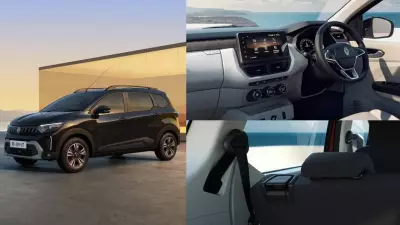
2026 Renault Triber Launched: New Features & Pricing
Renault has launched the 2026 Triber with updated design, new features, and competitive pricing. Key details include a 1.0L engine and 7-seat layout.

Vrabel Russini Speculation Sparks NFL Controversy
Online theories linking Mike Vrabel and Dianna Russini's personal timelines have stirred controversy, with unverified claims spreading rapidly across social media and podcast platforms.
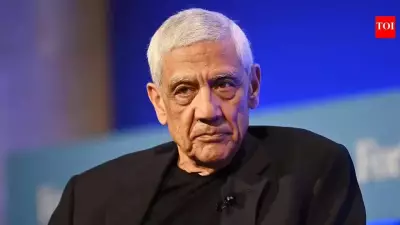
Vinod Khosla: Willingness to Fail Fuels Success
Vinod Khosla, co-founder of Sun Microsystems, argues that the capacity to absorb failure is essential for achieving meaningful success, as risk-taking drives innovation.

5 Real Animals That Inspired Iconic Pokémon Designs
From glass frog tadpoles to pangolins, discover five Pokémon that are actually based on real-life creatures found in nature.
