Major Drug Bust at Surat Railway Station: DRI Seizes Rs 2 Crore Worth of MDMA
In a significant operation based on advance intelligence, officers from the Directorate of Revenue Intelligence (DRI) conducted a successful drug interception at Surat railway station on Wednesday. The target was a Nigerian woman, identified as Emmanuella Gold Ikhanoba, who was found in possession of a substantial quantity of the banned synthetic psychoactive drug MDMA, commonly known as ecstasy.
Operation Details and Seizure
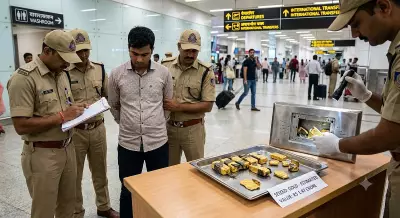
Acting on a specific tip-off, DRI officials meticulously planned and executed the operation. They intercepted Ikhanoba while she was traveling on Train 12954, the August Kranti Tejas Rajdhani Express. According to officials, she had boarded the train from Delhi, indicating a possible interstate drug trafficking route.
During a thorough search of her belongings, the DRI team allegedly recovered 2,017 grams of MDMA. The seized narcotics have an estimated street value of over Rs 2 crore in the illicit market, highlighting the scale of this drug bust. This seizure underscores the ongoing efforts by Indian authorities to combat the trafficking of dangerous substances like MDMA, which poses serious public health risks.

Arrest and Legal Proceedings
Following the seizure, Emmanuella Gold Ikhanoba was promptly arrested under the stringent provisions of the Narcotic Drugs and Psychotropic Substances (NDPS) Act, 1985. This act empowers law enforcement to take decisive action against individuals involved in drug-related offenses, with severe penalties for possession and trafficking of banned substances.
Officials have confirmed that the investigation is ongoing. Key aspects under scrutiny include determining the intended recipient and final destination of the drug consignment. Additionally, investigators are examining whether the accused was legally present in India, which could have implications for her immigration status and potential links to broader criminal networks.
Broader Implications and Future Steps
The DRI emphasized that this operation was a result of proactive intelligence gathering, which enabled them to intercept the passenger before the drugs could be delivered to their destination. Such operations are crucial in disrupting drug supply chains and preventing the distribution of harmful substances in communities.
This incident serves as a reminder of the persistent challenges in curbing drug trafficking across India. Authorities continue to leverage intelligence and coordinated efforts to tackle such crimes, with a focus on both domestic and international connections. The public is urged to remain vigilant and report any suspicious activities to help in these endeavors.