Delhi Police vs Himachal Police: Kidnapping Case Erupts After Youth Congress Arrests
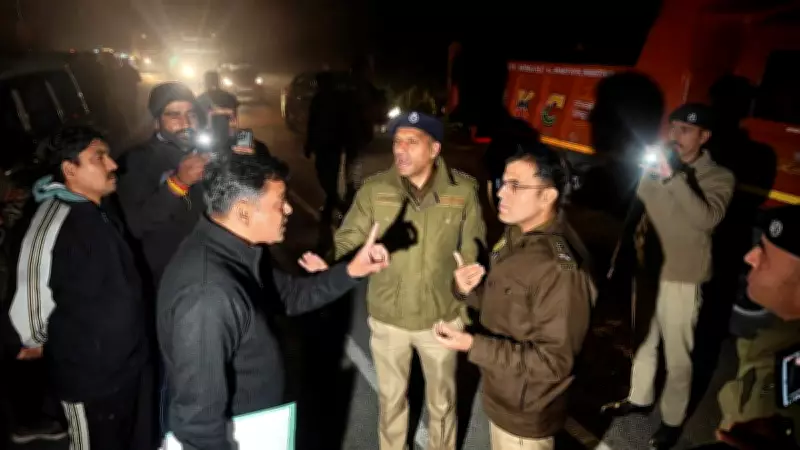
In a dramatic escalation of tensions between two state police forces, Himachal Pradesh Police have officially registered a kidnapping case against personnel from the Delhi Police. This legal action stems directly from the arrest of Youth Congress activists who were protesting at a high-profile Artificial Intelligence Summit, leading to a late-night confrontation that has captured national attention.
Late-Night Drama Unfolds After AI Summit Protest
The controversy began when Youth Congress activists organized a demonstration at the AI Summit, voicing their concerns over various policy issues. Delhi Police personnel, responsible for security at the event, moved swiftly to detain the protesters, citing potential disruptions to the summit proceedings. However, the situation took an unexpected turn when Himachal Pradesh Police intervened, alleging that the Delhi Police's actions constituted an unlawful abduction of individuals from their jurisdiction.
Himachal Pradesh Police File Formal Kidnapping Charges
According to official reports, Himachal Pradesh Police have lodged a formal First Information Report (FIR) against the Delhi Police personnel involved in the arrests. The charges specifically accuse them of kidnapping, based on claims that the activists were taken without proper legal procedures or coordination with local authorities. This move has set the stage for a significant inter-state legal battle, raising questions about jurisdictional boundaries and police protocols in such cases.
The incident highlights growing tensions between state police forces over operational matters, with experts noting that such conflicts could undermine law enforcement coordination across India. The Youth Congress, meanwhile, has condemned the arrests as an attempt to stifle democratic dissent, while Delhi Police maintain that their actions were necessary to maintain public order at the AI Summit.
Broader Implications for Law Enforcement and Politics
This case is not just a localized dispute but reflects broader issues in Indian governance and policing. Inter-state police conflicts are rare but can have far-reaching consequences, potentially affecting everything from criminal investigations to public safety initiatives. The involvement of a political youth wing like the Youth Congress adds a layer of political sensitivity, with observers watching closely how this might influence upcoming electoral dynamics or policy debates around AI and technology regulation.
As the investigation proceeds, key questions remain unanswered: Will the kidnapping charges hold up in court? How will this impact future protests and police responses at national events? And what steps might be taken to prevent similar clashes between state police forces? The answers could shape law enforcement practices for years to come.