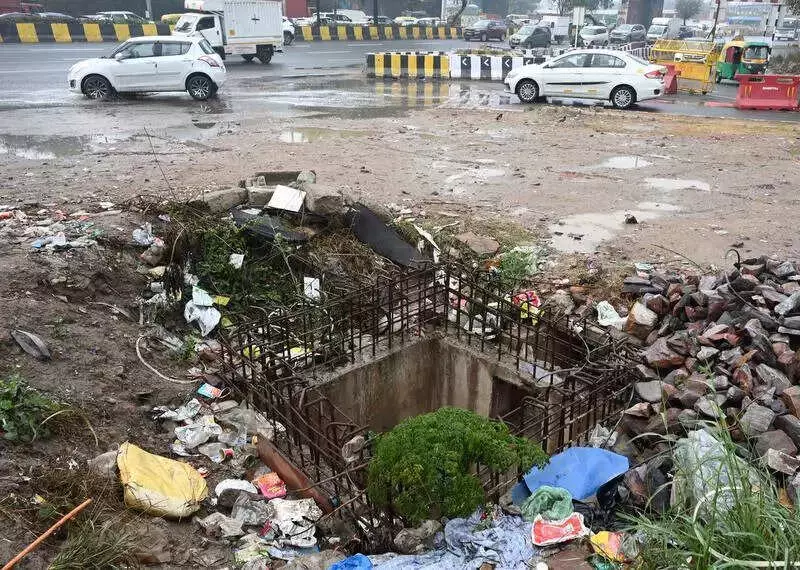
Delhi's Safety Crisis: A City Where Security Is Often Left to Chance
A recent analysis has shed light on the alarming state of safety in Delhi, revealing a city where residents' security is frequently left to chance rather than assured by systematic measures. This situation underscores deep-seated issues in urban governance and public safety infrastructure, affecting millions of people daily.
Unpredictable Risks in Public Spaces
According to the findings, Delhi's public spaces, including streets, parks, and transportation hubs, are plagued by unpredictable risks. Incidents of crime, accidents, and other safety hazards occur with little warning, leaving citizens vulnerable. The report suggests that this randomness stems from inadequate policing, poor urban planning, and a lack of coordinated safety protocols.
Key factors contributing to this crisis include:
- Insufficient surveillance and monitoring systems in high-risk areas.
- Delayed emergency response times due to resource constraints.
- Inconsistent enforcement of safety regulations across different neighborhoods.
Impact on Daily Life and Public Trust
The pervasive safety issues have a profound impact on the daily lives of Delhi's residents. Many people report feeling anxious or unsafe when venturing out, especially during evenings or in less crowded areas. This erosion of public trust hampers social cohesion and economic activities, as fear of crime can deter people from using public services or engaging in community events.
Experts emphasize that without immediate intervention, this situation could worsen, leading to long-term social and economic repercussions for the city.
Calls for Systemic Reforms
In response to these findings, there are growing calls for systemic reforms to enhance safety in Delhi. Proposed measures include:
- Increasing police presence and patrols in vulnerable zones.
- Implementing smart city technologies, such as better street lighting and CCTV networks.
- Strengthening community-based safety initiatives and public awareness campaigns.
Addressing these challenges requires a multi-faceted approach involving government agencies, local communities, and private stakeholders. By prioritizing safety as a fundamental right, Delhi can work towards becoming a more secure and resilient metropolis for all its inhabitants.