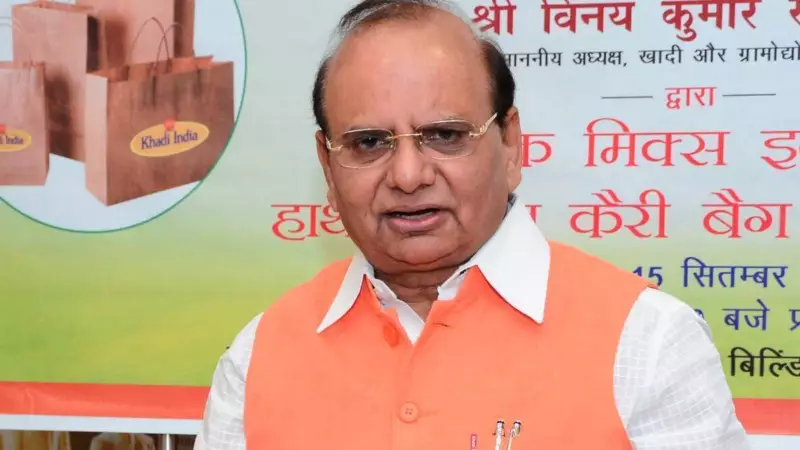
In response to the devastating November 10 Red Fort explosion that claimed 12 lives, Delhi Lieutenant Governor V K Saxena has issued comprehensive security directives to prevent future terrorist incidents. The measures include digital monitoring of ammonium nitrate sales, stricter regulation of second-hand vehicle purchases, and enhanced efforts to combat radicalized content online.
Enhanced Monitoring of Explosive Materials
The L-G's office has mandated that Delhi Police maintain detailed digital records of all entities purchasing and selling ammonium nitrate beyond specific thresholds. This new protocol requires photographs of both buyers and sellers along with other relevant identification details.
Additionally, Saxena directed Police Commissioner to revisit the 2022 Standing Order governing the licensing of sale, storage, and transport of ammonium nitrate. This action utilizes powers under the Delhi Police Act, 1978, combined with the Explosive Act, 1884 and Ammonium Nitrate Rules, 2012.
Crackdown on Vehicle Misuse and Radical Content
The security measures gain urgency from investigation revelations that suspected bomber Dr. Umar Nabi allegedly purchased a second-hand car that had changed multiple hands before being used in the explosion. A significant quantity of ammonium nitrate was also recovered from co-accused in the terror module case currently under investigation.
The administration has been instructed to conduct consultations with digital platforms and financiers involved in vehicle sales, particularly second-hand transactions. Clear directives state that vehicles cannot operate when the actual owner differs from the registered owner under any circumstances.
In a significant move against online radicalization, the L-G ordered police to hold consultations with heads of major social media platforms including Meta and X (formerly Twitter). The focus will be on scientific tracking of radicalized content aimed at brainwashing citizens.
Comprehensive Security Infrastructure Upgrade
The security overhaul extends to multiple fronts, including the creation of a central data repository containing records of doctors and para-medical staff employed by hospitals, especially private institutions. The database will include details of their medical qualifications, with foreign degree holders undergoing additional police background checks.
All Deputy Commissioners of Police have been advised to conduct rigorous security audits of high-footfall areas including:
- Bus terminals and railway stations
- Cinema halls and public parks
- Metro stations and busy markets
The security audit will specifically evaluate deployment plans for security personnel, beat rosters, and existing CCTV networks. Areas requiring additional surveillance coverage will be identified and proposals submitted to the Chief Secretary for necessary installations.
The L-G's communication, undersigned by the Principal Secretary, also emphasized strengthening police intelligence networks through both human resources and technological intelligence, with particular focus on areas vulnerable to radicalization. Enhanced community outreach and citizen engagement programs have been mandated to support more robust preventive policing measures.