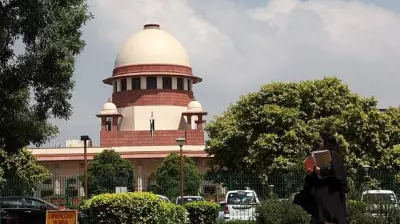
Delhi High Court Intervenes to Stop Uttam Nagar Demolition Drive
The Delhi High Court has taken a decisive step by ordering an immediate halt to the demolition of structures in the Uttam Nagar area of the national capital. In a significant development, the court has directed the Municipal Corporation of Delhi (MCD) to submit a comprehensive response regarding the ongoing action, putting a temporary stop to the drive that has sparked concerns among local residents.
Court's Directive and Legal Proceedings
Justice Subramonium Prasad, presiding over the case, issued the stay order after hearing a petition filed by affected individuals challenging the demolition process. The court has specifically instructed the MCD to file a detailed affidavit explaining the legal basis and procedural adherence of the demolition campaign. This judicial intervention underscores the importance of following due process and safeguarding the rights of citizens, even in matters of urban enforcement.
The petitioners argued that the demolition was being carried out without adequate notice or consideration of the humanitarian aspects, potentially rendering many families homeless. The court, acknowledging these submissions, emphasized that any action by civic authorities must balance enforcement of laws with the fundamental rights of individuals, particularly in densely populated urban settlements like Uttam Nagar.
Background of the Demolition Drive
The demolition drive in Uttam Nagar was initiated by the MCD as part of a broader crackdown on illegal constructions and encroachments in Delhi. Authorities cited violations of building norms and unauthorized modifications as the primary reasons for the action. However, residents and activists have raised questions about the timing and methodology of the drive, alleging that it lacked transparency and proper communication.
Uttam Nagar, a bustling locality in West Delhi, has seen rapid urbanization and population growth, leading to challenges in urban planning and regulation. The area is known for its mixed residential and commercial setups, where issues of illegal constructions have been a persistent concern for civic bodies. The MCD's campaign aimed to address these issues, but the court's intervention highlights the need for a more nuanced approach.
Implications and Next Steps
The court's stay order is expected to provide temporary relief to the residents, allowing them to present their case more effectively. Legal experts suggest that this move could set a precedent for similar cases across Delhi, where demolition drives often face legal scrutiny. The MCD is now required to justify its actions in court, detailing the following aspects:
- The legal provisions under which the demolition was authorized.
- The process followed for issuing notices and warnings to residents.
- Measures taken to address humanitarian concerns, such as rehabilitation options.
- Documentation supporting the classification of structures as illegal.
The next hearing in the case is scheduled for a later date, where the court will review the MCD's response and decide on the future course of action. This development has drawn attention to the broader issues of urban governance and housing rights in Delhi, a city grappling with space constraints and regulatory challenges.
Observers note that the outcome of this case could influence how civic authorities plan and execute demolition drives in the future, emphasizing the need for greater accountability and resident engagement. The Delhi High Court's proactive stance serves as a reminder that judicial oversight plays a crucial role in ensuring that administrative actions align with legal and ethical standards.