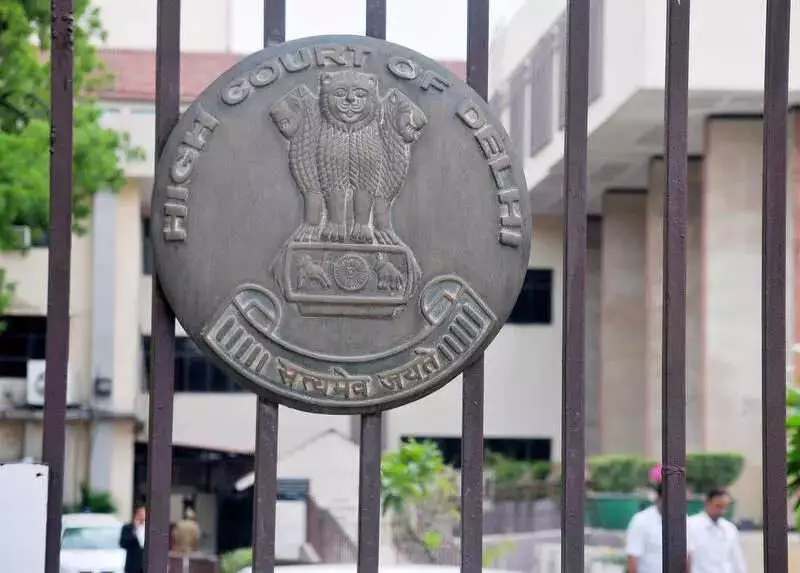
The Delhi High Court delivered a sharp rebuke on Wednesday. It targeted an NGO and its legal representative. The court accused them of filing what it termed "habitual petitions." These petitions alleged encroachments and illegal constructions by mosques and dargahs.
Court Questions Public Interest
A bench led by Chief Justice DK Upadhyaya and Justice Tejas Karia expressed clear frustration. The judges noted that society faces many serious problems. Yet, the NGO seemed to focus only on specific issues. The court openly questioned the true purpose behind these legal actions.
Sarcastic Remark Highlights Concern
During the hearing, the bench made a pointed, sarcastic comment. It asked the NGO's lawyer if he was aiming for a spot in the "Guinness World Records" for filing petitions. The court stated firmly that there are "better ways to serve humanity" than submitting petitions every single day. This remark underscored the judges' view that the judicial process was being misused.

Details of the Specific Petition
The court's strong comments arose during a hearing for a plea by the Save India Foundation. This NGO alleged encroachment on land described as "green secular" property. The land was reportedly acquired in 1960 and later transferred to the Delhi Development Authority (DDA).
Court Rejects Claims, Emphasizes Principle
The bench firmly rejected the NGO's claims in this instance. More importantly, the judges emphasized a key legal principle. They stated that Public Interest Litigations (PILs) cannot be pursued in a selective or one-sided manner. The court's stance was clear: the judicial system must not be used for narrow, repetitive agendas.
Next Steps in the Case
The Delhi High Court has scheduled the matter for its next hearing. The bench listed the case for further proceedings on January 21. This gives the NGO and its lawyer time to reconsider their approach, as directed by the court's strong admonishment.