Delhi High Court Takes Action for Homeless Patients in Freezing Weather
The Delhi High Court has stepped in with urgent measures to protect homeless individuals struggling through the capital's shivering nights. On Wednesday, the court ordered immediate shelter arrangements for patients and their relatives forced to sleep on streets near major hospitals.
Emergency Shelter Directions Issued
The bench of Chief Justice DK Upadhyaya and Justice Tejas Karia directed the Delhi Urban Shelter Improvement Board to temporarily take over subways near important medical facilities. These include AIIMS, RML Hospital, and Safdarjung Trauma Centre.
The court instructed Dusib to provide as many beds as possible in these subways by Wednesday evening. Authorities must also set up tents, pandals, or other temporary arrangements to immediately shelter those spending nights outdoors due to insufficient night shelters.
Constitutional Rights at Stake
"Ours is a welfare state," the bench observed during the suo motu hearing. "The Right to Adequate Shelter, if denied to citizens, amounts to a violation of Fundamental Rights enshrined in the Constitution of India."
The court emphasized that government agencies have a bounden duty to ensure homeless people seeking medical care receive proper shelter. State agencies including hospitals, development authorities, and municipal corporations cannot evade this responsibility.
"These persons are visiting hospitals not willingly but under compelling circumstances," the bench noted. The court stressed that authorities cannot use lack of funds or resources as an excuse to deny such essential facilities.
Coordinated Response Ordered
The High Court further directed the district judge of Saket Court Complex to convene an important meeting. Senior officials from multiple agencies must attend, including representatives from Dusib, MCD, DMRC, AIIMS, RML Hospital, Lady Hardinge Medical College, Safdarjung Trauma Centre, Vardhman Mahavir Medical College, Delhi Police, Delhi Jal Board, and BSES.
This meeting, scheduled for Thursday, will prepare a short-term plan to shield homeless individuals from the ongoing cold wave affecting Delhi.
Ground Reality Versus Official Claims
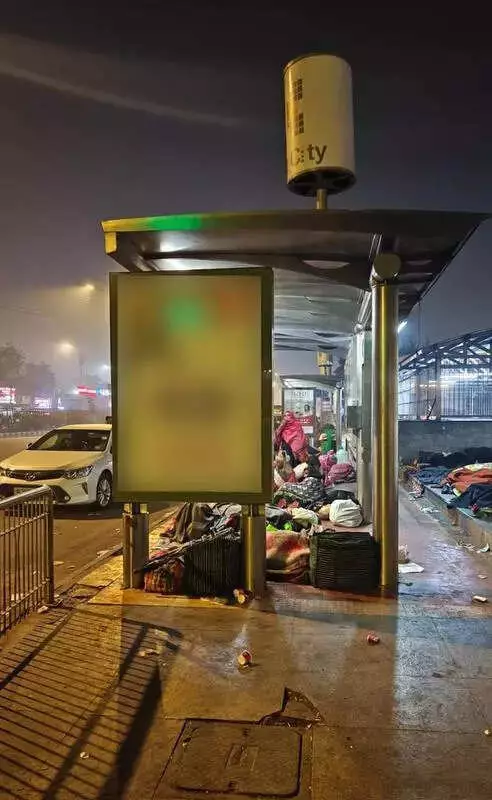
During the hearing, senior advocate Avi Singh of the NGO Centre for Holistic Development presented photographs showing patients and relatives sleeping on streets. This evidence highlighted the failure of existing shelter systems despite Dusib's claims of operating over 300 night shelters with 19,000 beds.
The bench questioned whether this capacity could possibly suffice in a city with over two crore residents. The court noted that ground realities often differ significantly from official reports and statistics.
Tangible Action Required
While acknowledging authorities' efforts, the court emphasized the need for concrete, visible action. Despite claims of sufficient night shelters, many patients and attendants remain exposed to dangerously cold conditions.
The Centre's standing counsel, Ashish Dixit, confirmed having recently visited AIIMS and shelter facilities to assess the situation firsthand.
Ongoing Judicial Oversight
The matter has been listed for further hearing on January 16. The court has requested a detailed report from the district judge outlining the roadmap and specific measures taken by the committee formed to address this crisis.
This judicial intervention follows the court's suo motu cognisance taken on January 12. The action came after media reports highlighted the pitiable condition of patients and their kin staying on Delhi streets during freezing nights.
The Delhi High Court's directions represent a significant step toward ensuring vulnerable populations receive basic shelter during extreme weather conditions. The court's focus on immediate, practical solutions underscores the urgency of protecting those most at risk during Delhi's cold winter nights.