Delhi High Court Judge Takes Stand Against Recusal in Kejriwal Excise Policy Case
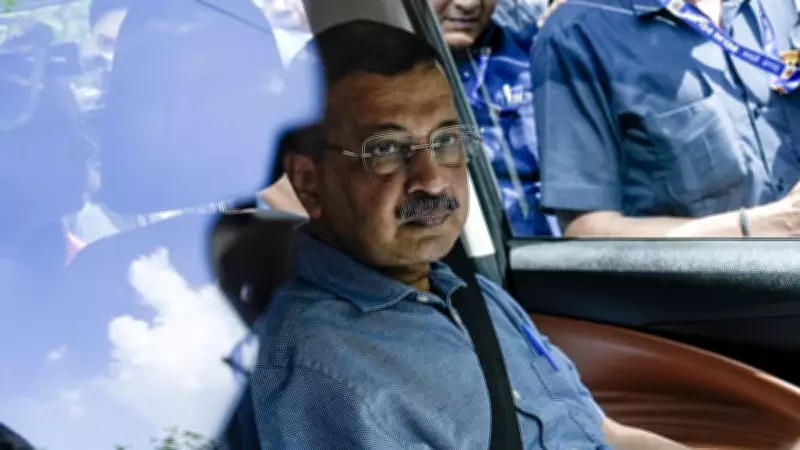
In a significant development, a judge of the Delhi High Court has firmly refused to recuse herself from the excise policy case involving Delhi Chief Minister Arvind Kejriwal. The judge made a powerful statement, declaring that the court will stand up for itself, emphasizing the need to protect judicial institutions from unwarranted attacks.
Judge's Strong Stance on Judicial Integrity
The judge articulated that a political leader cannot be permitted to damage an institution without any substantive basis. She underscored that a personal attack on a judge is fundamentally an attack on the judiciary as a whole. This position highlights the broader implications of such actions, which could undermine public trust in the legal system.
The case centers on the Delhi excise policy, which has been a subject of legal scrutiny and political controversy. Kejriwal's involvement has drawn significant attention, with the judge's refusal to step down adding a new layer to the proceedings. The decision reflects a commitment to judicial independence and the rule of law, even in the face of political pressure.

Context and Implications of the Recusal Refusal
Recusal requests are common in high-profile cases, but this instance stands out due to the judge's explicit defense of the judiciary. By rejecting the recusal, the judge signals that the court will not yield to attempts to influence its composition or decisions through baseless allegations. This move could set a precedent for how courts handle similar situations in the future.
The judge's remarks serve as a reminder of the delicate balance between political accountability and judicial autonomy. They also raise important questions about the limits of criticism in a democratic society, where institutions must remain resilient against unfounded attacks.
- The Delhi High Court judge's refusal to recuse herself underscores the importance of judicial self-defense.
- Personal attacks on judges are framed as threats to the entire judiciary, necessitating a firm response.
- The excise policy case involving Arvind Kejriwal continues to evolve, with this decision potentially impacting its trajectory.
- This incident highlights ongoing tensions between political figures and judicial bodies in India.
As the case progresses, observers will be watching closely to see how this stance influences legal outcomes and public perception. The judge's unwavering position reinforces the judiciary's role as a pillar of democracy, capable of withstanding external pressures.