Delhi High Court Dismisses Plea for Death Penalty in Unnao Rape Case
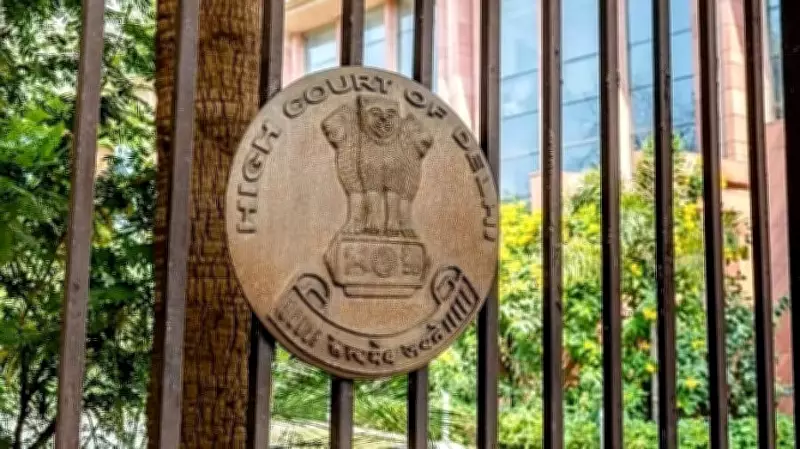
The Delhi High Court has made a significant ruling by dismissing a plea filed by the Unnao rape survivor, which sought the imposition of the death penalty against former BJP MLA Kuldeep Sengar. This case is linked to a custodial death incident that has drawn national attention.
Court's Rationale for Dismissal
In its decision, the court emphasized that entertaining a belated appeal aimed at enhancing the conviction and sentence would seriously prejudice the legal rights of the accused. The bench noted that such delayed petitions could undermine the principles of fair trial and due process, which are fundamental to the Indian judicial system.
The court further elaborated that allowing this plea would set a problematic precedent, potentially disrupting the finality of court judgments and creating uncertainty in legal proceedings. This ruling underscores the judiciary's commitment to upholding procedural integrity while balancing the interests of both victims and the accused.

Background of the Unnao Rape Case
The Unnao rape case involves allegations against Kuldeep Sengar, who was convicted for the rape of a minor girl in Unnao, Uttar Pradesh. The case gained widespread media coverage due to its political connections and the subsequent custodial death of the survivor's father, which sparked public outrage and calls for justice.
Key developments in this case include:
- Initial Conviction: Kuldeep Sengar was previously convicted and sentenced to life imprisonment for the rape charges.
- Custodial Death: The survivor's father died in police custody under suspicious circumstances, leading to additional legal scrutiny.
- Public Outcry: The incident triggered nationwide protests, highlighting issues of political influence and police accountability.
Legal Implications and Future Proceedings
This dismissal by the Delhi High Court marks a pivotal moment in the ongoing legal battle. It clarifies that appeals for sentence enhancement must be filed in a timely manner to ensure fairness. The court's decision may influence similar cases where victims seek harsher penalties post-conviction.
Legal experts suggest that this ruling reinforces the importance of adhering to statutory timelines in criminal appeals. However, it does not preclude other legal avenues for the survivor, such as pursuing compensation or filing separate petitions related to the custodial death aspect.
The case continues to be monitored closely, as it touches on broader themes of justice, victim rights, and judicial efficiency in India. The Delhi High Court's stance is expected to guide lower courts in handling similar belated appeals, ensuring that legal processes remain robust and equitable.