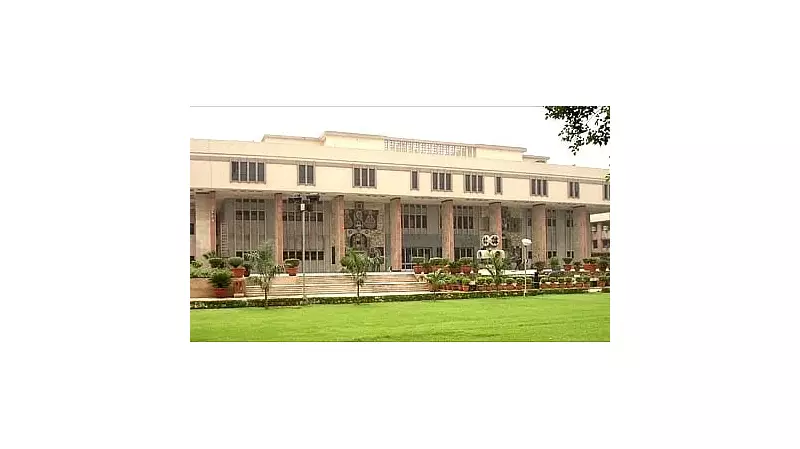
The Delhi High Court has declined to grant any immediate interim relief to the former chairman of the Tirumala Tirupati Devasthanams (TTD) board in the ongoing legal dispute concerning the famed Tirupati laddu. The court's decision marks a significant development in the case that has drawn considerable public attention.
Court's Reasoning for Denying Relief
Justice Bansal, presiding over the matter, stated that considering interim relief at this stage would be premature. The court emphasized the necessity of first hearing the arguments from the defendants in the case. This procedural stance underscores the judiciary's commitment to ensuring all parties are heard before any provisional orders are passed.
The hearing took place on January 2, 2026, and the court's refusal to grant interim relief is a setback for the former TTD chairman's immediate legal strategy. The case revolves around allegations and counter-allegations related to the administration and distribution of the sacred 'laddu' prasadam at the Tirumala temple.
Background of the Legal Dispute
The Tirumala Tirupati Devasthanams is the autonomous body that manages the revered Sri Venkateswara Temple in Tirupati. The 'laddu' offered as prasadam is not just a religious symbol but also a subject of immense administrative and financial significance. Legal issues surrounding its management often attract intense scrutiny.
The former chairman, who sought interim relief from the court, is embroiled in a legal row where his actions or decisions during his tenure are under question. The specifics of the petition and the exact nature of the relief sought were part of the proceedings before Justice Bansal's bench.
Implications and Next Steps
By refusing interim relief, the Delhi High Court has effectively allowed the standard legal process to proceed without any pre-emptive intervention. This means the case will likely move forward with the court scheduling hearings for the defendants to present their side of the story.
The decision highlights a fundamental legal principle: interim measures are exceptional and require a clear demonstration of urgency and irreparable harm, balanced against the right of the opposing side to be heard. The court's move indicates that, for now, it did not find such an exceptional circumstance warranting immediate relief without hearing the other side.
All eyes will now be on the next hearing date, where the defendants are expected to put forth their arguments. The outcome could have wider ramifications for the governance and administrative protocols of one of India's richest and most prominent temple trusts.