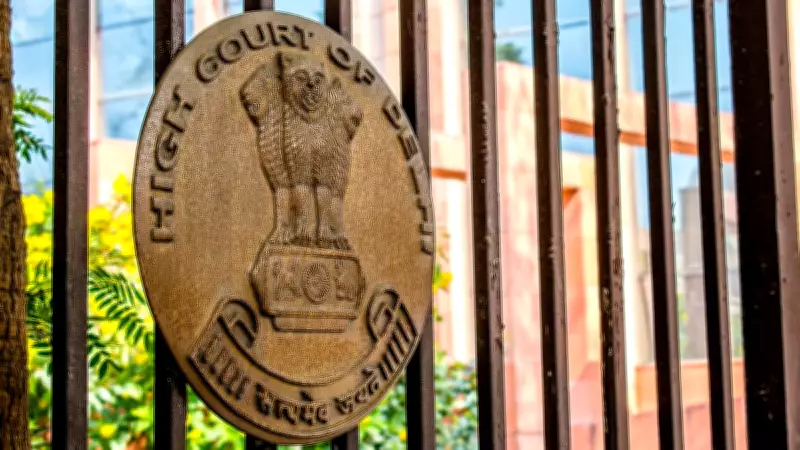
Delhi High Court Clarifies Legal Standard for Abetment to Suicide in Breakup Cases
In a significant ruling, the Delhi High Court has granted bail to an accused individual in a case involving allegations of abetment to suicide. The court's decision underscores a crucial legal principle: a mere breakup is not sufficient to establish the charge of abetment to suicide under Indian law.
Court's Observations on Instigation and Suicide
The court meticulously observed that for an act to qualify as abetment to suicide, the instigation must be of such a severe nature that it leaves the deceased with no viable alternative but to commit suicide. This interpretation aligns with established legal precedents that require a direct and proximate link between the accused's actions and the suicide.
The ruling highlights that emotional distress from a relationship ending, while tragic, does not automatically translate into criminal liability unless there is evidence of active encouragement or coercion. The court emphasized that the law demands a higher threshold of proof, focusing on the intent and impact of the accused's behavior.
Implications for Legal Proceedings and Bail Decisions
This decision has broader implications for how courts handle similar cases in the future. By granting bail, the Delhi High Court has reinforced the importance of evaluating the specifics of each case rather than applying blanket assumptions. The court's stance may influence future bail applications and trials, encouraging a more nuanced approach to determining culpability in suicide-related charges.
Legal experts suggest that this ruling could lead to more careful scrutiny of evidence in abetment to suicide cases, particularly those involving personal relationships. It underscores the need for prosecutors to demonstrate clear and compelling evidence of instigation that meets the legal standard set by the court.
Context and Background of the Case
The case arose from allegations that the accused's actions, including the breakup, contributed to the suicide of an individual. However, the court found that the evidence presented did not meet the stringent criteria required for abetment to suicide. The bail grant reflects the court's assessment that the accused does not pose a flight risk or a threat to the investigation.
This ruling comes amid ongoing discussions about mental health and legal accountability in India. It serves as a reminder that while society must address issues leading to suicide, the legal system must balance compassion with strict adherence to statutory definitions and evidence-based judgments.