Delhi Court Denies Bail to Four Youth Congress Workers in Protest Case
A Delhi court has denied bail to four Youth Congress workers who were arrested for staging a protest outside the Bharatiya Janata Party (BJP) headquarters. The court cited concerns over the possibility of repeat offenses and the need to maintain public safety as key reasons for its decision.
Details of the Arrest and Charges
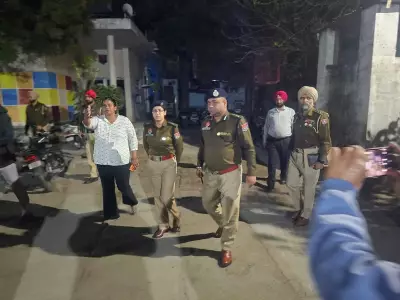
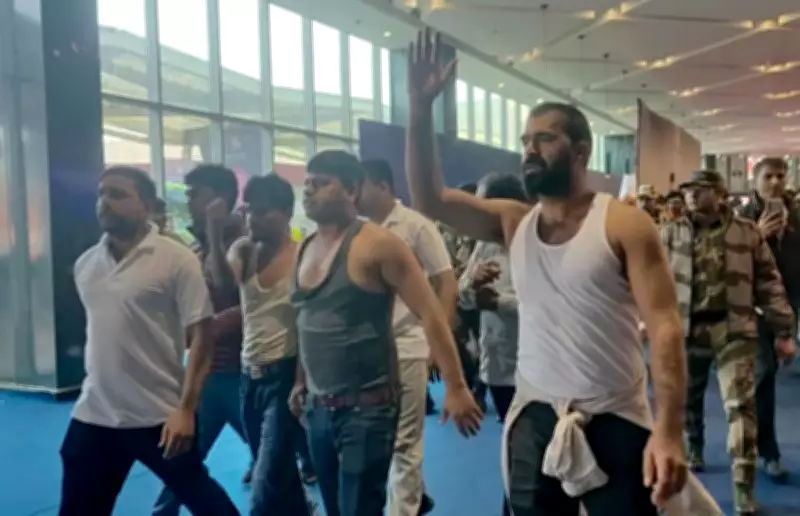
The four workers were taken into custody after they participated in a demonstration outside the BJP office in Delhi. Authorities charged them with offenses related to unlawful assembly and causing a disturbance. The protest was part of a larger political action organized by the Youth Congress to voice opposition to certain policies.
During the bail hearing, the prosecution argued that releasing the accused could lead to further disruptions and compromise law and order in the area. The defense, however, contended that the workers were exercising their democratic right to protest and should be granted bail as they posed no flight risk.
Court's Reasoning for Bail Denial
In its ruling, the court emphasized the importance of preventing any potential recurrence of such incidents. It noted that the nature of the charges and the circumstances of the protest warranted a cautious approach. The judge stated that granting bail might encourage similar actions, thereby undermining public peace.
The court also considered the broader implications for political activism, balancing individual rights with collective security. This decision highlights the ongoing legal scrutiny of protest activities in the capital, especially those involving political groups.
Reactions and Implications
The bail denial has sparked reactions from various quarters. Supporters of the Youth Congress have criticized the move, calling it an infringement on freedom of expression. Meanwhile, law enforcement officials have welcomed the court's stance, viewing it as a necessary measure to deter unlawful protests.
This case underscores the delicate balance between upholding democratic freedoms and ensuring public order in a politically charged environment. It may set a precedent for how similar cases are handled in the future, particularly in the context of political demonstrations in Delhi.
As the legal proceedings continue, the four workers remain in custody, awaiting further hearings. The outcome of this case could influence the strategies of political parties and activist groups in organizing protests within the framework of the law.