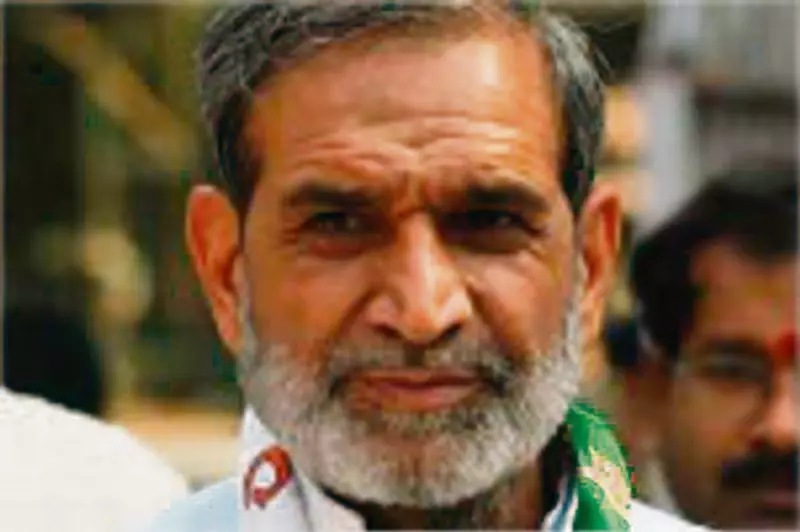
Delhi Court Clears Sajjan Kumar in 1984 Anti-Sikh Riots Case Due to Evidentiary Gaps
A court in Delhi has acquitted former Congress leader Sajjan Kumar in a case related to the 1984 anti-Sikh riots, citing a lack of reliable and sufficient evidence to establish his involvement. The verdict, delivered after a prolonged legal battle, underscores the complexities in prosecuting historical communal violence incidents that occurred nearly four decades ago.
Court's Rationale for the Acquittal Decision
The court emphasized that the prosecution failed to present credible and corroborative evidence linking Sajjan Kumar to the alleged crimes during the riots. Key witnesses and documentary proofs were deemed inconsistent or unreliable, leading to reasonable doubt about his culpability. This decision follows previous legal proceedings where Kumar faced charges related to inciting violence against the Sikh community in the aftermath of Prime Minister Indira Gandhi's assassination.
Background of the 1984 Anti-Sikh Riots Case
The 1984 anti-Sikh riots were a series of violent pogroms targeting Sikhs across India, particularly in Delhi, resulting in thousands of deaths and widespread destruction. Sajjan Kumar, a prominent political figure at the time, was accused of orchestrating and participating in the violence. Over the years, multiple cases have been filed, with some resulting in convictions, while others, like this one, have ended in acquittals due to evidentiary challenges.

Implications and Reactions to the Verdict
The acquittal has sparked mixed reactions, with some legal experts highlighting the difficulties in securing convictions in aged cases where evidence may have deteriorated or witnesses' memories faded. Victims' families and human rights groups have expressed disappointment, calling for continued efforts to deliver justice for the riots. The verdict also raises questions about the effectiveness of India's judicial system in addressing historical communal violence and ensuring accountability for political figures.
In summary, the Delhi court's ruling to acquit Sajjan Kumar in the 1984 anti-Sikh riots case is based on evidentiary shortcomings, reflecting broader challenges in the legal pursuit of justice for decades-old communal conflicts. The case remains a poignant reminder of the riots' impact and the ongoing struggle for closure among affected communities.