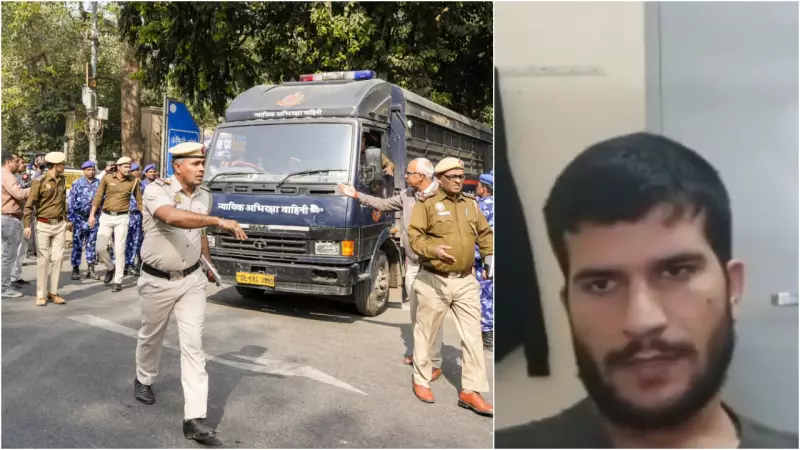
In a significant breakthrough in the Delhi blast investigation, forensic experts have successfully recovered crucial digital evidence from the water-damaged phone belonging to alleged suicide bomber Umar Nabi. The extracted data has revealed disturbing videos and materials that expose the ideological motivation behind the Red Fort suicide attack.
The Digital Evidence Breakthrough
Despite extensive water damage to the device, specialized forensic teams managed to extract valuable information from Umar Nabi's mobile phone. The recovery operation represents a major technical achievement in digital forensics, allowing investigators to piece together the bomber's radicalization journey and attack planning.
The extracted data includes multiple videos where Umar Nabi explicitly explains and defends suicide attacks. These 'martyrdom' videos show the bomber articulating his ideological stance and justification for the violent act planned at the historic Red Fort monument.
Disturbing Content Revealed
Investigators have uncovered a substantial collection of terrorist propaganda materials on the recovered device. The phone contained significant amounts of ISIS and Al-Qaeda propaganda alongside radical sermons that apparently influenced the attacker's mindset.
The digital evidence paints a clear picture of systematic radicalization. Umar Nabi had consumed extensive extremist content before recording his own videos explaining the suicide attack methodology. The materials suggest a deep immersion in terrorist ideology and propaganda networks.
Investigation Implications and Next Steps
This forensic breakthrough provides crucial insights into the operational methods of terrorist networks operating in India. The evidence recovered on November 18, 2025 has given investigators valuable leads about the support structure and ideological sources behind the attack.
Security agencies are now analyzing the digital footprint to identify potential accomplices and network connections. The timing of the evidence recovery comes at a critical juncture in the ongoing investigation, potentially helping prevent future attacks by exposing recruitment and radicalization patterns.
Law enforcement officials emphasize that this technical achievement demonstrates their enhanced capabilities in counter-terrorism digital forensics, even when dealing with physically compromised devices like the water-damaged phone in this case.