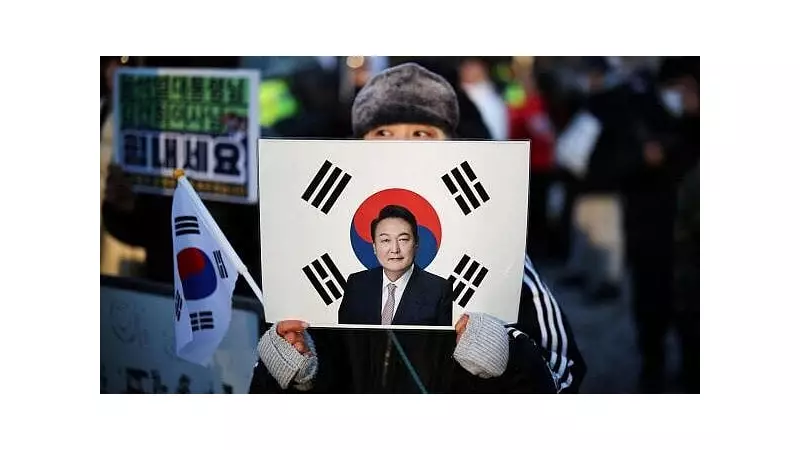
Prosecutor Seeks Death Penalty for Former South Korean President
A prosecutor in South Korea has made a dramatic legal move. They are seeking the death penalty for former President Yoon Suk Yeol. The case centers on serious allegations of insurrection.
Charges of Masterminding an Insurrection
Yoon Suk Yeol faces accusations of masterminding an insurrection. The prosecutor claims he imposed martial law to carry out this crime. This is a grave charge under South Korean law.
The legal framework in South Korea treats insurrection as a severe offense. If found guilty, the punishment can extend to the death penalty. This reflects the seriousness with which the country views such acts against the state.

Historical Context of Capital Punishment
South Korea has not carried out a death sentence in decades. The country maintains a de facto moratorium on executions. This makes the prosecutor's request particularly noteworthy.
The last execution in South Korea occurred many years ago. Since then, death row inmates have remained in prison without execution. This historical context adds complexity to the current case.
Legal experts are watching the proceedings closely. They note that while the death penalty remains on the books, its application is rare. The outcome could set a significant precedent.
Implications for South Korean Politics
This case has far-reaching implications for South Korean politics. A former president facing such severe charges is unprecedented in recent history. It highlights ongoing tensions within the nation's political landscape.
Public reaction in South Korea is mixed. Some citizens support the prosecutor's tough stance. Others express concern over the potential use of the death penalty.
The trial is expected to draw intense media coverage. International observers are also monitoring the situation. They are interested in how South Korea handles this high-profile case.
As the legal process unfolds, many questions remain. The court must weigh the evidence carefully. Its decision will have lasting effects on South Korea's legal and political systems.