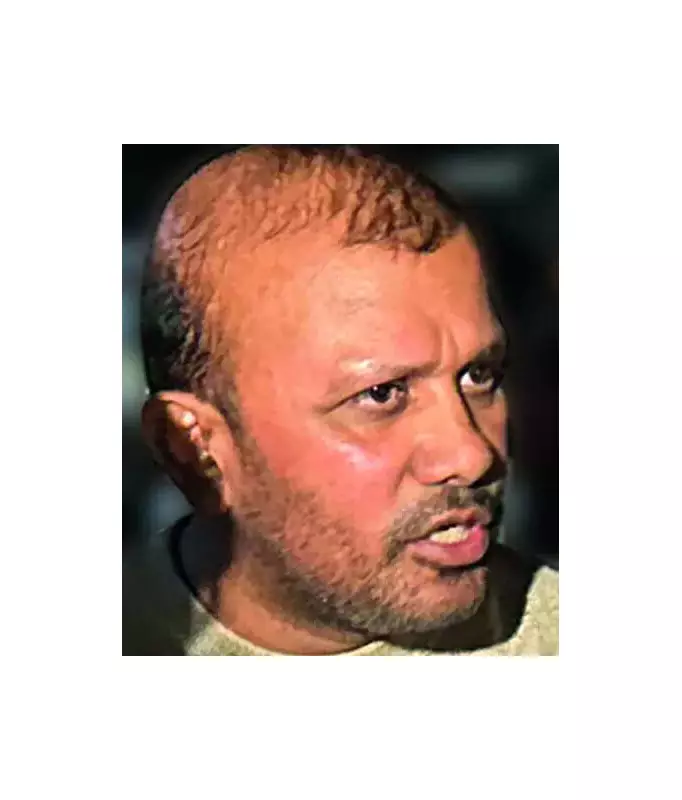
A Merces court in Panaji has made a significant ruling in a high-profile escape case, stating that charges are to be formally framed against three accused individuals. The case revolves around the 2024 escape of Suleman Mohammed Khan, also known as Siddique, from the crime branch police station located in Ribandar.
Details of the Alleged Conspiracy
According to the prosecution's submission, Khan allegedly hatched a criminal conspiracy with Amit Naik, a sentry guard, to facilitate his escape from the lock-up. Khan was being detained by the Special Investigation Team (SIT) in connection with a land grab case at the time of the incident.
The prosecution argued that Naik, in his capacity as a public servant performing lock-up sentry guard duty, had a legal obligation to guard and keep Khan in confinement. However, it is alleged that Naik intentionally aided Khan by removing him from the police station. Following this, both individuals escaped on Naik's motorcycle, with Naik reportedly taking Khan to Huballi.
Third Accused's Involvement
The charges also extend to Hazrat Bavannavar of Huballi. The prosecution stated that Bavannavar, despite being aware that Khan had escaped from lawful custody, assisted in concealing and harbouring him. This was allegedly done by transporting Khan in his car with the intention of preventing his apprehension by authorities.
Defense Arguments Presented
Khan's advocate, D Dhond, presented a contrasting narrative in court. Dhond stated that Khan was under the belief that he was being taken officially to Huballi for some investigation related to his case. The defense argued that there was no intention to abscond, as Khan himself had surrendered at a later point.
Furthermore, Dhond emphasized that no arrest panchanama (a formal arrest record) was conducted in this instance. The defense contended that for an escape to be legally established, the person must have been detained lawfully. According to Dhond, Khan was not lawfully detained, and therefore, he did not technically escape since the police themselves removed him from the lock-up.
Prosecution's Counter and Court's Stance
Assistant public prosecutor H Ghate countered the defense's claims by asserting that there is ample evidence of a criminal conspiracy between all three accused persons. Ghate stated that prima facie evidence exists to justify framing charges against them.
Chief judicial magistrate Sarika N Fal Dessai, presiding over the case, noted that the issue of whether the accused had knowledge or not would be revealed during the trial proceedings. The magistrate stated, "There is no need to assess evidence prematurely at this stage." This indicates that the court finds sufficient grounds to proceed with framing charges, leaving detailed evidentiary examination for the trial phase.
The case highlights critical aspects of custodial procedures and legal definitions of escape under Indian law. It underscores the judiciary's role in ensuring that charges are framed based on prima facie evidence, while reserving final judgments for the trial process where all evidence can be thoroughly evaluated.