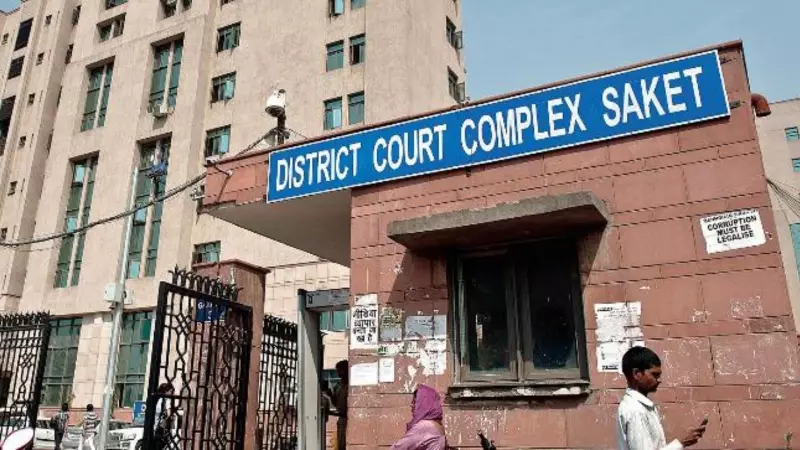
The All India Judicial Employees Confederation has taken a decisive step. The national body representing court staff wrote directly to Chief Justice of India Surya Kant on Monday. This action follows the tragic suicide of a 43-year-old differently-abled ahlmad at Saket Court in Delhi.
A Plea for Systemic Change
Harish Singh Mahar, the record keeper, jumped to his death from the fifth floor on January 9. His suicide note allegedly cited immense work pressure as the reason. This incident has sparked urgent calls for reform within India's judicial administration system.
Key Demands Outlined in the Letter
The AIJEC letter presents a stark picture of current conditions. It requests the formation of a Supreme Court-monitored panel. This panel would conduct a thorough review of several critical areas.

- Staff strength and patterns in district courts
- Actual workload faced by employees
- Salary structures and service conditions
- Promotion policies and their implementation
The Confederation based in Ahmedabad argues that the current staff pattern is outdated. It has not been revised for decades, despite a massive increase in litigation and digital work.
Addressing a National Crisis
The letter highlights a disturbing national trend. A significant number of judicial employees are experiencing extreme mental distress. This has led to suicides, depression, and serious health breakdowns across the country. The AIJEC describes these tragedies as evidence of a systemic failure.
Specific problems flagged include acute staff shortages. Existing employees are forced to perform the work of multiple people. Workloads are described as excessive and unrealistic, often extending late into nights and holidays. The absence of defined work profiles leads to mental harassment and pressure.
Proposed Solutions for a Healthier Workplace
Beyond just identifying problems, the union has proposed concrete solutions. A primary request is for clear, written job descriptions for all court staff positions. This measure aims to prevent exploitation and harassment by establishing accountability.
The AIJEC also demands the establishment of support cells in every district court. These would include:
- Mental health and counselling services
- Formal grievance redressal mechanisms
Echoes from Other Associations
The call for reform is not isolated. The Delhi-based Stenographers' Association has also written to the Registrar General of the Delhi High Court. They have requested a review of existing mechanisms to prevent future tragedies.
Their letter points out a critical imbalance. Judges are recruited periodically, but ancillary staff recruitment does not happen proportionately or timely. This imbalance places a greater burden on existing staff members.
The Association has put forward its own set of demands:
- Setting up a committee in each district with association representation
- Posting differently-abled and senior employees near their residences
- Timely filling of all vacant posts and creation of adequate new positions
- Posting at least two stenographers in Magistrate and Civil Courts
- Establishment of de-stress, meditation, and yoga centers
- Appointment of data entry operators for uploading judgments
The collective message from judicial staff unions is clear and urgent. They are calling for immediate, systemic intervention to address unsustainable workloads and safeguard the mental well-being of thousands of employees who form the backbone of India's district judiciary.