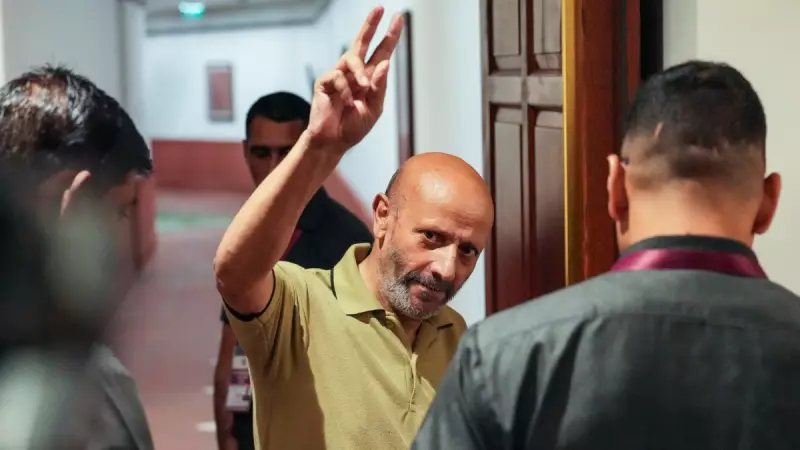
Patiala House Court Approves Custody Parole for Engineer Rashid to Attend Parliament Budget Session
In a notable legal decision, the Patiala House Court has granted custody parole to Member of Parliament Engineer Rashid. This ruling permits him to participate in the upcoming budget session of Parliament, which is a critical event for legislative and financial discussions in India.
Details of the Court's Decision
The court's order specifies that Engineer Rashid will be allowed temporary release from custody under strict conditions to ensure his attendance at the Parliament session. This move underscores the judiciary's recognition of the importance of parliamentary duties for elected representatives, even in cases involving legal proceedings.
Key aspects of the parole include:
- Supervised release during the session period
- Mandatory compliance with all legal and security protocols
- Return to custody upon conclusion of the parliamentary activities
Implications for Parliamentary Proceedings
Engineer Rashid's presence in the budget session is expected to contribute to debates on key economic policies and government allocations. As an MP, his participation aligns with democratic principles that emphasize the role of elected officials in shaping national policies through legislative processes.
The budget session typically involves discussions on:
- Annual financial statements and expenditure plans
- Taxation proposals and economic reforms
- Various bills and motions introduced by the government
Background and Legal Context
Engineer Rashid has been involved in legal cases that necessitated his custody, making this parole a significant exception. The court's decision balances the need for judicial oversight with the constitutional responsibilities of an MP, highlighting the interplay between law and governance in India.
This development may set a precedent for similar cases in the future, where courts consider parliamentary obligations as a factor in custody-related rulings. It reflects the broader legal framework that aims to uphold both justice and democratic functions.
As the budget session approaches, all eyes will be on how this parole impacts legislative dynamics and whether it fosters smoother parliamentary operations. The decision has already sparked discussions among legal experts and political analysts regarding its long-term implications.