Maharashtra Authorities Launch Safety Review After Expressway Gas Leak Causes Massive 32-Hour Gridlock
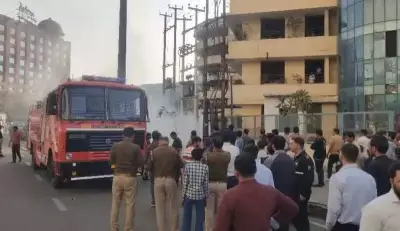
In response to the severe disruption caused by a hazardous gas leak on the Mumbai-Pune Expressway, multiple government agencies and corporations are implementing both immediate and long-term measures to prevent future emergencies. The incident, which occurred on February 3 near the Adoshi Tunnel, involved an overturned tanker carrying propylene gas, resulting in an extensive 32-hour traffic standstill that paralyzed one of Maharashtra's busiest routes.
Immediate Enforcement of Standard Operating Procedures
The Maharashtra State Road Development Corporation (MSRDC) has issued strict directives to all stakeholders to rigorously enforce existing Standard Operating Procedures (SOPs) for handling emergencies on the expressway. A senior MSRDC official emphasized that adherence to these protocols is the primary immediate step to avoid a recurrence of such chaotic situations. This move comes as authorities recognize the critical need for swift and coordinated action during crises.
Formation of Expert Committee for Comprehensive Safety Study
For a more sustainable solution, Chief Minister Devendra Fadnavis has instructed the formation of a seven-member expert committee. This panel is led by CP Joshi, former president of the Indian Roads Congress (IRC), and co-chaired by S Mohite, former joint commissioner of traffic and inspector general of police for the Konkan region. The committee includes representatives from the transport department, a techno-legal expert, an MSRDC official, and an NGO member.
The committee's mandate is to conduct a thorough investigation of the February 3 incident and develop recommendations to manage similar emergencies in the future. Its scope extends beyond the Mumbai-Pune Expressway to include the Samruddhi Expressway, aiming to enhance overall highway safety. The panel is expected to deliver its report within two months, providing a roadmap for improved emergency response systems.
BPCL Initiates Corrective Actions and Enhanced Response Mechanisms
Bharat Petroleum Corporation Limited (BPCL), the owner of the tanker involved in both the February 3 incident and a similar occurrence on February 23, has launched its own corrective measures. A senior BPCL official highlighted the company's rigorous driver training program, which includes quarterly sessions to ensure all operators of hazardous gas vehicles are well-prepared. Additionally, weekly awareness initiatives are conducted to reinforce safety protocols.
The delay in deploying a recovery van to seal the gas leak was identified as a key factor prolonging the crisis, as the van was stationed at the Kochi refinery during the accident. To address this, BPCL is establishing a mutual aid facility to improve coordination among various agencies. The company plans to station Quick Response Teams (QRTs) within a 200-kilometer radius along routes used for transporting hazardous gases, building on an existing system for LPG that will now be upgraded to handle propene and propylene.
Proposed Infrastructure and Operational Improvements
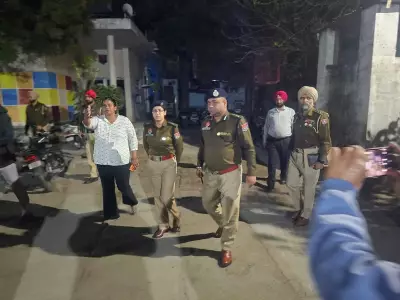
Highway police officers, in collaboration with MSRDC and other stakeholders, recently conducted a joint inspection drive to discuss immediate and short-term enhancements. Key proposals include:
- Increasing the number of median openings at intervals of 2 to 2.5 kilometers, particularly in the ghat section, to facilitate rapid traffic diversion during accidents.
- Establishing an emergency help center in the ghat section to provide timely assistance and coordination.
These measures aim to reduce response times and minimize disruptions, ensuring that future incidents are managed more efficiently. The ongoing efforts reflect a multi-pronged approach to safeguarding one of India's critical transportation corridors.