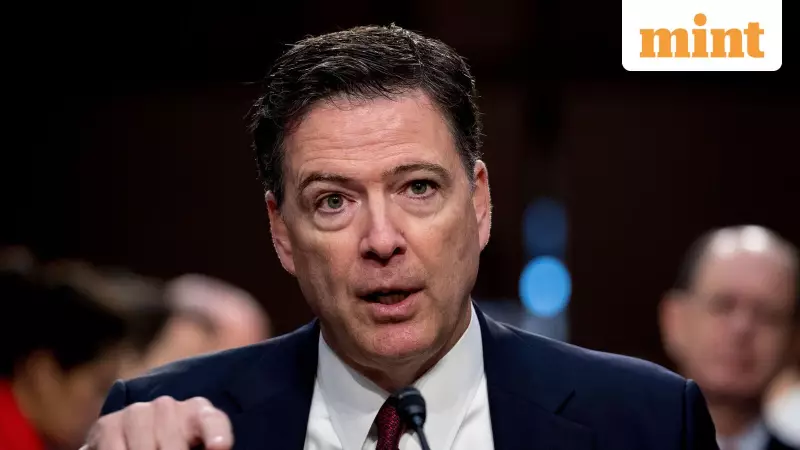
Former FBI Director James Comey's criminal trial faced significant developments on Wednesday, November 19, as defense attorneys pushed for case dismissal citing both procedural errors and alleged political interference from former President Donald Trump.
Grand Jury Procedural Flaw Exposed
During a crucial hearing before US District Judge Michael Nachmanoff, prosecutors from the Justice Department acknowledged a potential procedural misstep in how the case was presented to a federal grand jury. The revelation came after US Magistrate Judge William Fitzpatrick reviewed grand jury transcripts and raised concerns about whether all jurors had seen the final indictment.
Justice Department prosecutor Tyler Lemons confirmed that only two grand jurors, including the foreperson, were present when the revised two-count indictment was submitted. This admission prompted Comey's legal team to argue for immediate dismissal of the case.

Defense Alleges Political Motivation
Comey's lead attorney, Michael Dreeben, presented a forceful argument that the prosecution was driven by political pressure rather than legal merit. The defense claims former President Trump improperly influenced the Department of Justice to target Comey, who has been a vocal critic of the former administration.
Dreeben pointed to Trump's public statements, including a September social media post where the former president demanded: "We can't delay any longer, it's killing our reputation. JUSTICE MUST BE SERVED, NOW!!!" This public pressure, according to the defense, violated constitutional protections against vindictive prosecution.
Questionable Appointment and Rapid Indictment
The defense highlighted the unusual circumstances surrounding the indictment process. Dreeben noted that Trump appointed Lindsey Halligan, a White House aide with no prior prosecutorial experience, as acting US attorney for the Eastern District of Virginia. Halligan then secured Comey's indictment just days before the statute of limitations was set to expire.
"She did what she was told to do," Dreeben asserted in court, suggesting the rushed indictment reflected political obedience rather than independent legal judgment.
Prosecutors countered these claims, with Lemons insisting that Comey's indictment resulted from legal violations, not political direction. "The defendant is not being put on trial for anything he said about the president," Lemons stated. "It was her decision and her decision only."
However, Judge Nachmanoff expressed skepticism about Halligan's ability to conduct an independent evaluation given her recent appointment and the tight timeline. The judge pressed prosecutors: "What independent evaluation could she have done in that time period?"
Comey faces charges of making a false statement and obstructing Congress related to sworn testimony about whether he authorized an FBI colleague to serve as an anonymous media source. The former FBI director has maintained his not guilty plea throughout the proceedings.
Judge Nachmanoff did not issue an immediate ruling, noting that the case involves "issues that are too weighty and too complex" to decide from the bench. The court's deliberation continues as both sides await a potentially precedent-setting decision.