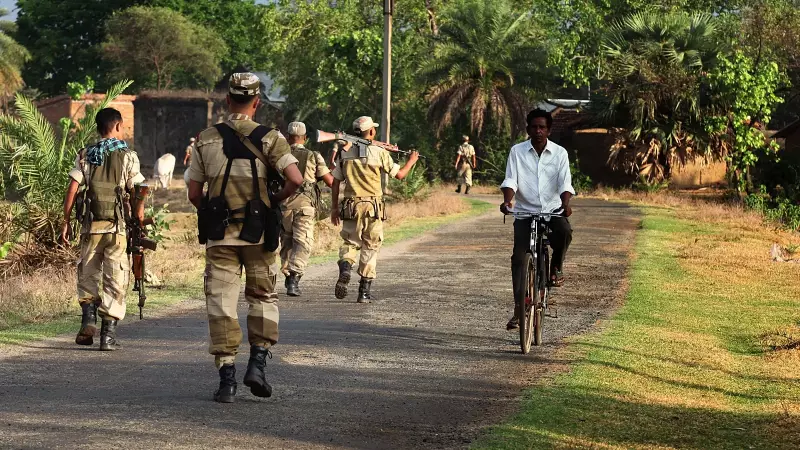
Fear of Reprisal Drives Chhattisgarh Man to Suicide After Assisting Police in Maoist-Affected Area
In a tragic incident highlighting the ongoing security challenges in Maoist-affected regions of Chhattisgarh, a 55-year-old man allegedly died by suicide after helping police locate the body of a victim murdered by insurgents. This marks the second such case in just two months, raising serious concerns about the safety of civilians who cooperate with authorities in these volatile areas.
Details of the Incident in Narayanpur District
According to police sources, the deceased has been identified as Manku Padda, a resident of Binagunda village in Narayanpur district. Padda had reportedly aided Maoist cadres on multiple occasions in the past but had expressed a desire to surrender to the police. His involvement in the recent case began when he assisted authorities in locating and exhuming the body of Manesh Nareti.
Nareti was allegedly abducted and killed by Maoists in August for unfurling the national flag on the outskirts of Binagunda village. The insurgents conducted what they call a Jan Adalat or People's Court, where Nareti was summarily tried and executed. His body was buried at an undisclosed location, which Padda helped police uncover.
Immediate Aftermath and Fatal Consequences
Soon after aiding the police, Padda began to fear severe reprisals from Maoist groups active in the area. Overcome by this anxiety, he consumed bird poison. His family immediately alerted the police, and he was rushed to a hospital for emergency treatment. Unfortunately, Padda succumbed to the poisoning and died on Tuesday night during medical care.
Police officials noted that Binagunda village has long been considered a Maoist base camp under the North Bastar Division's Partapur area committee. They estimate that over two dozen Maoist insurgents remain active in this region, creating a climate of fear and intimidation for local residents.
Pattern of Similar Tragedies in Conflict Zones
This incident represents the second case of suicide under similar circumstances within a two-month period in Chhattisgarh's Maoist-affected districts. On December 6, a 48-year-old tribal man named Madvi Bhima killed himself after helping the Central Reserve Police Force (CRPF) locate hidden explosives in Bijapur district. Like Padda, Bhima feared violent retaliation from insurgent groups for his cooperation with security forces.
These tragedies occur against the backdrop of the central government's ongoing efforts to end the Maoist insurgency, with deadlines looming for security operations in affected areas. The repeated pattern of civilians taking their own lives after assisting authorities underscores the profound psychological pressure and security risks faced by residents in these conflict zones.
Broader Context of Maoist Violence in Chhattisgarh
The Maoist insurgency in Chhattisgarh, particularly in the Bastar region, has created complex challenges for both security forces and civilian populations. Incidents like the flag-hoisting case that led to Nareti's execution demonstrate the insurgents' violent opposition to symbols of state authority. When Nareti and two others unfurled the national flag in Binagunda village in August, Maoists abducted all three. While Nareti was executed, the other two captives were assaulted before being released.
For individuals like Manku Padda who have previously been associated with Maoist groups but seek to disengage, the decision to cooperate with authorities carries immense personal risk. The fear of retaliation appears so overwhelming that some choose suicide as their only perceived escape from impending violence.
These incidents raise critical questions about protection mechanisms for civilians who assist law enforcement in conflict areas and highlight the urgent need for comprehensive security and psychological support systems in Maoist-affected regions of Chhattisgarh.