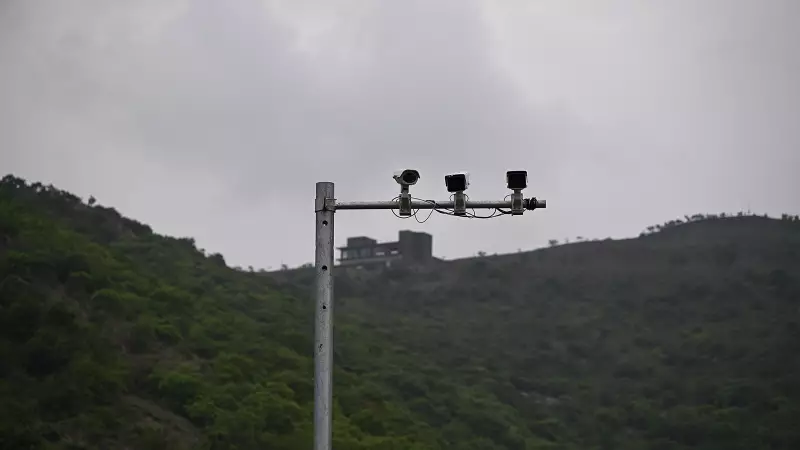
The Chandigarh Police has laid out an ambitious blueprint for 2026, centering on a significant technological upgrade and strategic reforms to enhance public safety and investigative efficiency. The comprehensive roadmap prioritizes the adoption of advanced surveillance tools, a push for higher conviction rates under new criminal laws, and a crackdown on drug trafficking and organized crime.
Tech-Driven Policing and Crime Deterrence
At the heart of the future strategy is a major push for integrating technology into daily operations. The police plan to expand the network of CCTV surveillance cameras and deploy more Automatic Number Plate Recognition (ANPR) cameras across the city. These smart policing tools are aimed at deterring street crimes like snatching and theft, and enabling the swift identification of suspects during investigations.
Senior Superintendent of Police (SSP) Kanwardeep Kaur emphasized that technology and data analytics will be leveraged to track criminal movements, monitor patterns, and anticipate potential threats. Furthermore, the force plans to increase the use of e-governance platforms and digital investigation tools, effectively utilizing national databases like CCTNS, ICJS, NAFIS, and CEIR for data-driven policing.
Focus on Conviction Rates and Anti-Drug Operations
A core objective for 2026 is achieving a higher conviction rate under the new criminal laws—the Bharatiya Nyaya Sanhita (BNS), Bharatiya Nagarik Suraksha Sanhita (BNSS), and Bharatiya Sakshya Adhiniyam (BSA). To ensure this, investigations will be more focused, time-bound, and closely supervised by senior officers. Capacity building for investigating officers through specialized training on the new legal provisions, evidence handling, and court procedures will be prioritized.
The police have also reiterated a zero-tolerance policy against drug trafficking and abuse. The plan involves intensifying intelligence-based operations to dismantle supply chains, taking strict action against repeat offenders and organized syndicates, and enhancing coordination with neighboring states and central agencies to curb inter-state drug networks. Preventive measures, including awareness programs and rehabilitation support, will be strengthened in collaboration with other government departments.
Faster Response and Action Against Habitual Offenders
Reducing police response time remains a key operational priority. The Chandigarh Police will optimize PCR van operations, improve deployment strategies, and use technology for real-time monitoring and faster dispatch of resources. Regular assessment of response time data will help identify gaps and implement corrective measures.
Simultaneously, the force plans to step up action against habitual offenders and organized crime groups. This will involve identifying and placing repeat offenders under continuous surveillance, taking preventive legal action, and regularly reviewing criminal dossiers. To address street crime, beat policing will be strengthened, and visible police presence will be enhanced in vulnerable, high-footfall areas through targeted patrols based on crime mapping analysis.
The roadmap also underscores a commitment to professional conduct, accountability, and integrity at all levels. Regular training and sensitization programs will be conducted, and welfare measures for police personnel will be strengthened to ensure a motivated and efficient force.