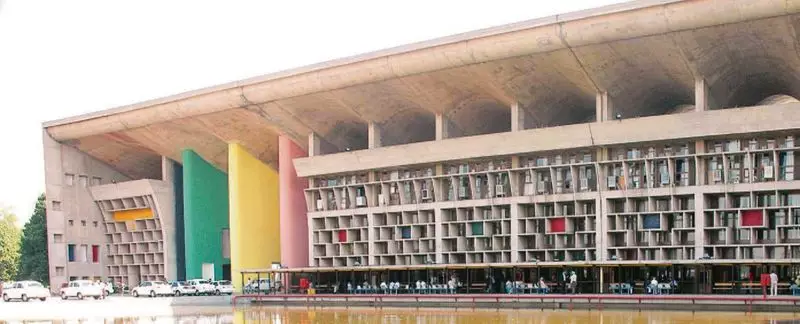
The long-awaited expansion of the Chandigarh High Court is finally making tangible progress. The Union Territory administration has taken a crucial step by issuing a letter of intent to consultants for the project. This move signals a significant advancement in the plans to enhance the court's infrastructure.
Key Development in the Expansion Process
Officials confirmed the issuance of the letter of intent earlier this week. This document formally engages consultants to proceed with detailed planning and execution phases. It marks a shift from preliminary discussions to actionable steps.
Judicial Oversight and Upcoming Hearing
A bench led by the Chief Justice will review the matter this Sunday. The hearing is scheduled to take place at the camp office, ensuring judicial oversight remains active. This session aims to address any pending issues and monitor the project's momentum.
Stakeholders express cautious optimism about the development. Legal experts highlight that timely completion could alleviate current space constraints. The expansion is expected to improve facilities for judges, lawyers, and the public.
Local residents have long advocated for better court infrastructure. The project's progression is seen as a response to growing caseloads and the need for modern amenities. Authorities emphasize that further updates will follow the Sunday hearing.
The UT administration's action underscores a commitment to judicial reforms. By moving forward with consultants, they aim to streamline the expansion process. Observers note that this could set a precedent for other infrastructure projects in the region.
What Comes Next?
- The consultants will now prepare detailed project reports.
- Construction timelines and budgets will be finalized.
- Regular judicial reviews will ensure transparency and accountability.
Overall, this step brings the Chandigarh High Court expansion closer to reality. It reflects a collaborative effort between the judiciary and administration to meet evolving legal needs.