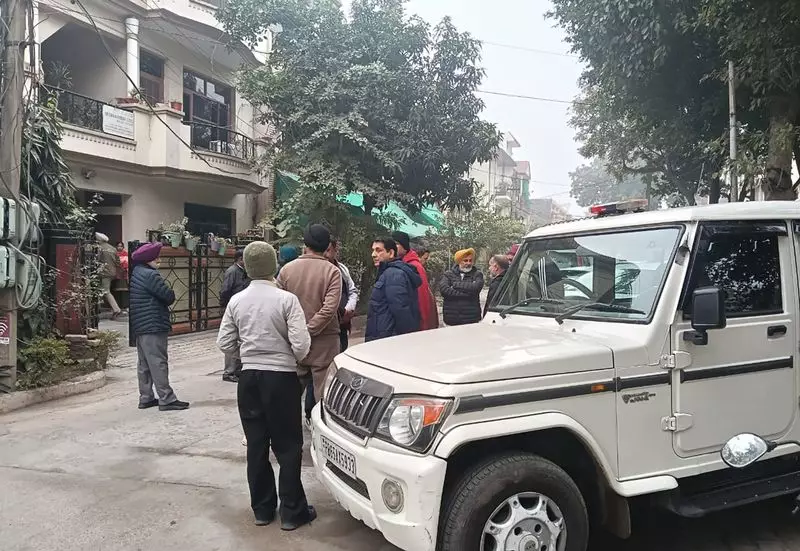
A recent Open House session in Chandigarh has brought to the forefront the critical and growing concern of crimes involving domestic helps and the safety of senior citizens living alone. The discussion, organized by the Chandigarh Police, saw active participation from residents, senior citizens, and security experts who brainstormed practical solutions to address this pressing urban safety issue.
Key Concerns and Alarming Incidents Highlighted
The panel and participants cited several disturbing incidents where domestic workers were involved in theft, fraud, or even physical harm against elderly employers. A common thread in these cases was the lack of proper background checks before hiring. Senior citizens, often living in isolation, were identified as particularly vulnerable targets. The session emphasized that trust in domestic staff, while important, must be balanced with due diligence and precautionary measures.
Experts pointed out that many families hire domestic workers through informal channels or casual referrals without verifying their antecedents. This practice creates a significant security loophole. The Open House served as a platform to move from anecdotal fears to a structured dialogue on creating a safer ecosystem for both employers and employees.
Five-Point Action Plan Proposed by Chandigarh Stakeholders
The collaborative discussion yielded a multi-pronged approach to mitigate risks. The primary recommendation was the mandatory police verification of all domestic workers. Participants urged the Chandigarh Police to streamline this process, making it more accessible and efficient for residents through online portals or dedicated help desks in police stations.
Secondly, the need for community-based vigilance networks was strongly advocated. Resident Welfare Associations (RWAs) and neighborhood groups were encouraged to maintain registers of verified domestic workers and promote awareness among members. Creating a system where neighbors informally check on senior citizens living alone was also suggested as a simple yet effective safety net.
Thirdly, the session called for greater awareness and empowerment of senior citizens themselves. This includes educating them on safety protocols, such as not disclosing financial details or house security layouts to domestic staff, and installing basic safety devices like peepholes and chain locks.
Fourth, there was a consensus on the role of placement agencies being brought under stricter regulation. Agencies supplying domestic help should be legally obligated to conduct and provide police verification certificates, ensuring accountability in the hiring chain.
Finally, the discussion highlighted the importance of treating domestic workers with dignity and fairness. Experts noted that exploitation and non-payment of dues can sometimes lead to resentment and crime. Ensuring fair wages and respectful treatment is not just an ethical imperative but also contributes to long-term, trustworthy relationships.
The Way Forward for Chandigarh's Safety Ecosystem
The Chandigarh Police officials present at the Open House acknowledged the concerns and assured participants of taking concrete steps. The potential for developing a centralized database or a model employer-employee contract was discussed as a long-term measure. The immediate focus, however, remains on promoting verification and community participation.
The success of these measures hinges on collective responsibility. While police can facilitate verification and respond to crimes, prevention requires active involvement from citizens, RWAs, and agencies. The Open House concluded with a resolve to transform Chandigarh into a city where senior citizens can live with security and dignity, and domestic workers are part of a regulated, respectful employment framework. The next steps involve converting these discussions into actionable policies and widespread awareness campaigns.