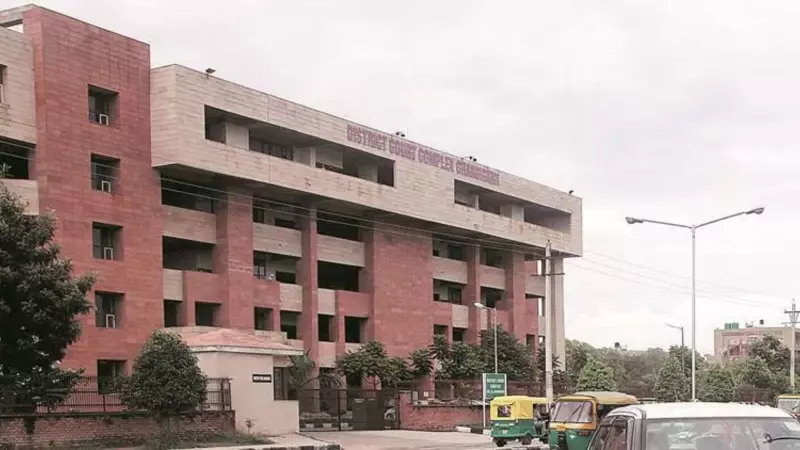
The Second Innings Association has raised serious questions about the legality of thousands of building misuse penalty notices issued by the Chandigarh Administration. Association president R K Garg announced a fact-check initiative to examine whether these notices possess proper statutory authority.
Daily Penalties Create Heavy Financial Burden
Under the current system, penalties for building misuse accumulate daily from the date notice is issued. This often results in substantial financial liabilities for property owners. Garg pointed out that while enforcement actions and recovery proceedings remain suspended, the penalties continue to mount without interruption.
Administration Seeks Rationalization Through MHA Proposal
The UT Administration has reportedly sent a proposal to the Ministry of Home Affairs seeking to rationalize building misuse charges imposed through approximately 5,000 notices. Garg questioned the legal foundation of these notices, asking whether they were issued under valid statutory powers or merely based on public notices lacking proper legal backing.

Historical Context of Public Notices
Garg referenced previous administration actions, noting that public notices were issued on January 23, 2019, and again in April 2022. These notices proposed amendments to the Capital of Punjab (Development and Regulation) Act, 1952. Implementation of the April 2022 notice was eventually stayed following widespread public opposition.
"If those earlier notices were legally valid," Garg asked, "why is a fresh proposal now being sent to the MHA to amend the Act and empower officers to rationalize charges?"
Lack of Clear Legal Authority
According to Garg, it has been evident since April 2022 that the Chandigarh Administration lacks authority to take enforcement action under the Capital Act without a Parliamentary amendment. He questioned why the legislative process has remained pending for nearly four years.
Concerns About Retrospective Relief
Garg expressed concern about whether any future amendment would provide retrospective relief to those already affected by penalties or operate only prospectively. He noted that no final resolution has been reached regarding notices already issued.
Pattern of Enforcement Without Due Process
Garg alleged that for years, regulations in Chandigarh have been enforced in a manner that subjects citizens to punitive notices without proper due process. He claimed citizens often lack meaningful opportunities to contest these notices.
"Officers on deputation frequently exercise discretionary powers without a sound legal basis," Garg stated. "This leads to avoidable litigation and creates unnecessary burdens on property owners."
Withdrawn Solar Panel Linkage
Garg mentioned that a proposed linkage between the 1952 Act and solar panel structures was later withdrawn by the administration. This further complicated the regulatory landscape for Chandigarh property owners.
The Second Innings Association's fact-check initiative aims to bring clarity to what Garg calls a significant issue affecting thousands of Chandigarh residents. The outcome could have substantial implications for how building regulations are enforced in the union territory moving forward.