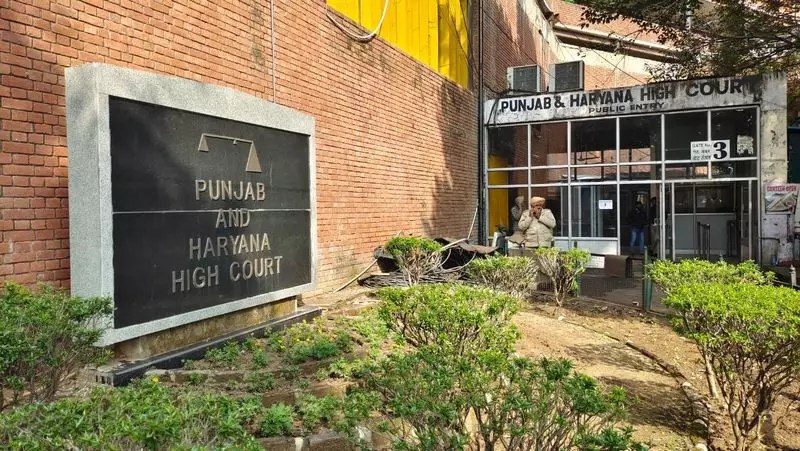
The Chandigarh legal fraternity remains in a state of protest as lawyers continue to abstain from court work, demanding concrete action against the alleged assailants of a fellow advocate. The simmering tension reached the judicial corridors of the Punjab and Haryana High Court, which has taken suo motu cognisance of the incident and the subsequent police inaction.
Court Intervention and Delayed FIR
The case revolves around an assault on advocate Vijay Kumar, who was reportedly attacked by a group of individuals. For days, the Chandigarh Bar Association alleged a lethargic response from the police, claiming that a First Information Report (FIR) was not being registered promptly. This perceived inaction became the flashpoint for the ongoing protest.
The situation took a decisive turn when the Punjab and Haryana High Court intervened. Acting on its own motion, the court sought details from the Chandigarh Police. It was only after this judicial scrutiny that the police formally registered an FIR related to the assault. The court has now listed the matter for further hearing, underscoring the judiciary's proactive role in addressing the grievances of the legal community.
Bar Association's Firm Stand
Despite the registration of the FIR, the Chandigarh Bar Association has decided to continue its abstention from court proceedings. The lawyers' body has made it clear that their protest will not be called off based on mere procedural steps. They are demanding tangible progress in the investigation and concrete action against the perpetrators.
The association's stance highlights a deep-seated frustration over issues of safety and security for legal professionals. Their continued boycott underscores a demand for respect and prompt redressal when officers of the court are targeted, asserting that the rule of law must protect its own defenders.
Broader Implications and Next Steps
This incident has sparked a significant conversation about the safety of lawyers and the accountability of law enforcement agencies. The High Court's suo motu action is a powerful reminder of the judiciary's oversight function, especially in matters where fundamental rights and the administration of justice are at stake.
The coming days are critical. All eyes are now on the Chandigarh Police's investigation and the next hearing in the High Court. The resolution of this standoff will depend on demonstrating swift and fair justice, which could set a precedent for how similar conflicts between the bar and the state are handled in the future.
The legal community's united front serves as a strong message: the right to practice law without fear of intimidation is non-negotiable, and institutions must respond with alacrity to uphold this principle.