Centre Supports Sabarimala Women's Entry Restriction in Supreme Court Hearing
Solicitor General Tushar Mehta, representing the Centre, presented arguments before a nine-judge Constitution bench of the Supreme Court, led by Chief Justice Surya Kant. The hearing focused on the contentious issue of restricting women's entry into the Sabarimala temple in Kerala.
Judicial Review and Religious Faith at the Core of Debate
Mehta asserted that religious faith should be considered beyond the scope of judicial review, emphasizing that matters of belief and tradition are deeply personal and cultural. He argued that if certain practices are deemed unscientific or problematic, the appropriate remedy lies with the legislature, not the judiciary.
This stance reinforces the Centre's support for the existing ban on women of menstruating age entering the Sabarimala shrine, a practice rooted in longstanding religious customs. The bench is examining broader questions related to religious freedom and constitutional rights in this landmark case.

Historical Context and Legal Implications
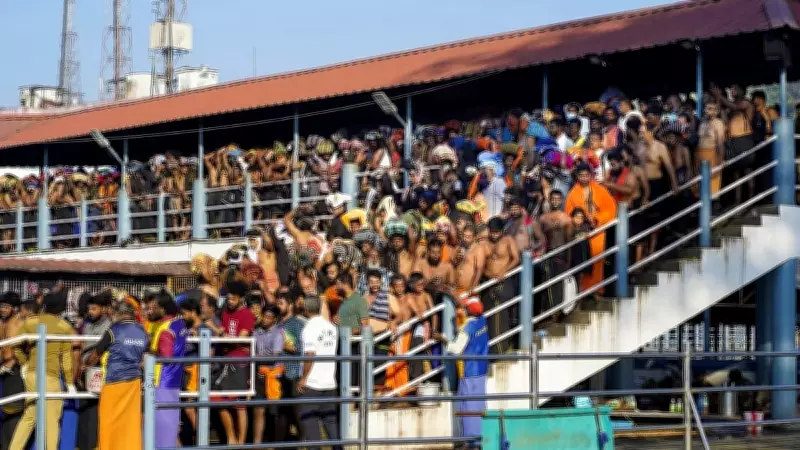
The Sabarimala temple has been at the center of legal battles for years, with previous Supreme Court rulings allowing women's entry in 2018, followed by protests and ongoing disputes. The current nine-judge bench is tasked with addressing larger constitutional principles that could impact similar religious disputes across India.
Mehta's arguments highlight a key tension in Indian law: balancing individual rights with religious autonomy. He suggested that courts should exercise restraint in intervening in faith-based practices, unless they violate fundamental rights in a clear and direct manner.
The hearing is part of a series of cases referred to the larger bench to clarify the interplay between religious doctrines and modern legal standards. Observers note that the outcome could set significant precedents for how India handles conflicts between tradition and equality.
Public and Political Reactions
This development has sparked renewed debate among activists, political groups, and religious organizations. Supporters of the restriction argue for the preservation of cultural heritage, while critics decry it as discriminatory and a violation of gender equality.
The Centre's position aligns with certain political factions that advocate for minimal judicial interference in religious matters. However, it faces opposition from those pushing for progressive reforms and stricter enforcement of constitutional guarantees.
As the Supreme Court continues its deliberations, the nation watches closely, aware that the verdict could reshape the landscape of religious rights and gender justice in India. The bench is expected to hear further arguments before reaching a decision, which will be closely analyzed for its broader implications.