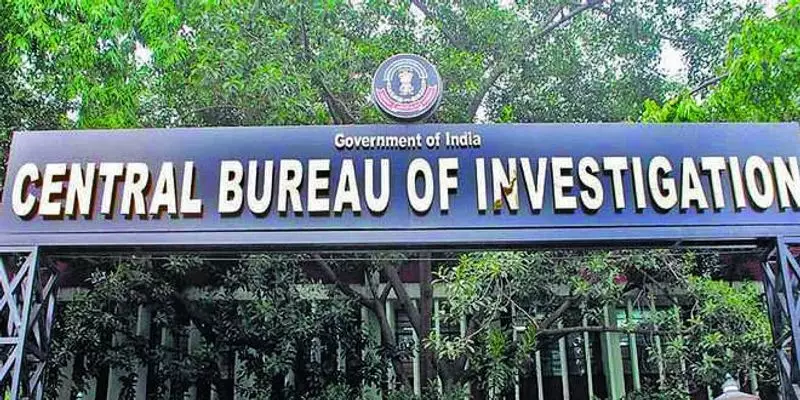
The Central Bureau of Investigation (CBI) has made a significant arrest in a corruption case involving a senior official from a premier government research institute. The agency apprehended S. Ramesh, a Senior Administrative Officer at the Central Power Research Institute (CPRI) in Bengaluru, for allegedly demanding and accepting a bribe of Rs 9.5 lakh.
The Bribery Trap and Arrest
According to the federal investigative agency, the arrest followed a meticulously planned operation. The CBI registered a case based on a complaint from a contractor who alleged that Ramesh was demanding the hefty bribe. The bribe was reportedly solicited to facilitate the release of payments owed to the contractor for work already completed for the CPRI.
The CBI laid a trap and caught Ramesh red-handed while he was accepting the bribe amount of Rs 9.5 lakh. This swift action demonstrates the agency's continued vigilance against corruption within public sector undertakings and research organizations.
Search Operations and Ongoing Investigation
Following the arrest, the CBI did not stop its proceedings. Teams conducted coordinated searches at multiple locations linked to the accused official. These searches included Ramesh's residential premises and other relevant sites in Bengaluru. The raids aimed to gather further evidence, such as documents, digital records, and any other assets that could be connected to the alleged corrupt practices.
The arrested official was produced before a competent court in Bengaluru. The law has taken its course, and the investigation is ongoing to uncover any broader network or additional instances of malpractice.
Implications for CPRI and Anti-Corruption Drive
This incident casts a shadow on the Central Power Research Institute (CPRI), an autonomous body under the Ministry of Power, Government of India. The CPRI is a reputed institution dedicated to applied research in the power sector, and such allegations against a senior administrative officer are serious.
The case underscores the persistent challenges of graft in government dealings, particularly concerning contractor payments and procurement processes. The CBI's successful trap and arrest send a strong message about zero tolerance for corruption, even within technical and research establishments. It highlights the importance of robust internal vigilance mechanisms and ethical governance in public institutions.
The investigation will now focus on verifying the allegations in detail, tracing the money trail, and examining whether other individuals were involved in the scheme. The outcome of this case will be closely watched as a benchmark for accountability in scientific and research organizations funded by public money.