In a significant revelation before the Supreme Court, the Delhi Police has alleged that the widespread protests against the Citizenship Amendment Act (CAA) in February 2020 were part of a deliberately planned strategy to force a "regime change" in the country. The police claim these demonstrations were strategically timed to coincide with former US President Donald Trump's first official visit to India.
The Strategic Timing of Protests
According to the Delhi Police's submission to the Supreme Court, the anti-CAA protests that erupted across the national capital were not spontaneous public demonstrations but rather a carefully orchestrated political maneuver. The police documents specifically state that the protests were "deliberately planned and executed" during President Trump's visit from February 24-25, 2020.
The timing was allegedly chosen to maximize international attention and create political pressure on the Indian government during a high-profile diplomatic event. The police argue that this was part of a larger conspiracy to destabilize the elected government under the guise of public protest against the citizenship law.
Legal Proceedings and Police Allegations
The Delhi Police made these startling claims in an affidavit filed before the Supreme Court while opposing the bail plea of former JNU student Umar Khalid. Khalid has been in judicial custody since September 2020 under the Unlawful Activities (Prevention) Act for his alleged involvement in the larger conspiracy behind the February 2020 Delhi riots.
The police affidavit explicitly states that the protests were "fuelled for regime change" and were part of a premeditated plan to create widespread unrest. The legal document outlines how the demonstration organizers allegedly exploited the timing of President Trump's visit to amplify their message and attract global media coverage.
Former US President Donald Trump's visit to India was one of the most significant diplomatic events of 2020, featuring the "Namaste Trump" event in Ahmedabad that drew massive crowds. The police now claim that protest organizers used this high-profile visit as a platform to advance their political agenda.
Broader Implications and Ongoing Legal Battle
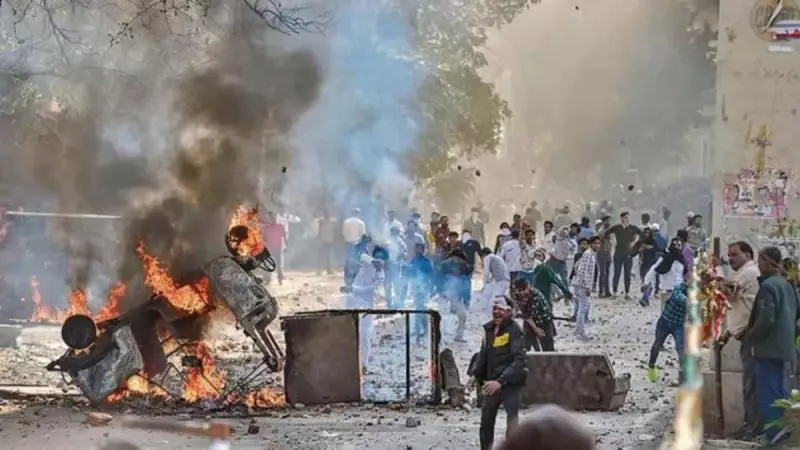
The Delhi Police's submission forms part of their argument that the anti-CAA protests and the subsequent Delhi riots were interconnected events in a larger conspiracy. They maintain that the timing during Trump's visit was intentional and aimed at creating maximum embarrassment for the Indian government on the international stage.
The legal battle continues in the Supreme Court as it examines various petitions related to the anti-CAA protests and the 2020 Delhi riots. The court is currently hearing arguments on multiple bail applications from individuals accused of orchestrating the violence that followed the protests.
The police have consistently argued that there was a coordinated effort behind what initially appeared as spontaneous public demonstrations. Their latest affidavit provides what they claim is evidence of strategic planning and political motivation behind the timing of the protests.
This development adds a new dimension to the ongoing legal and political discourse surrounding the CAA protests and the subsequent violence in Delhi. The Supreme Court's eventual ruling on these matters is likely to have significant implications for how protest movements are perceived and handled legally in the future.