Bombay High Court Takes Firm Stand on Goa Nightclub Fire Tragedy
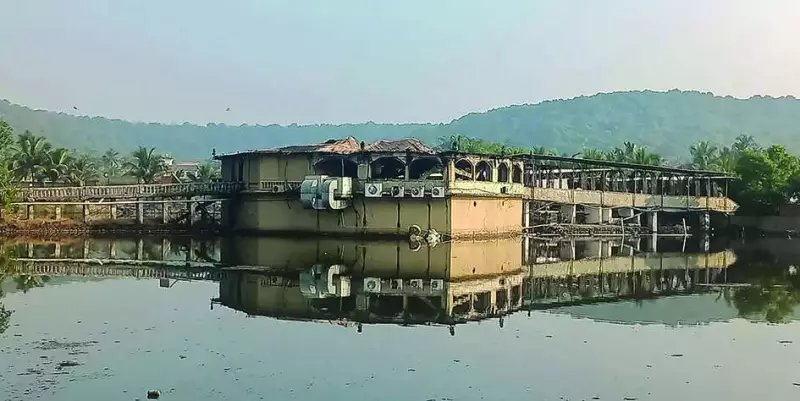
The Bombay High Court made its position clear during a hearing on the Birch by Romeo Lane fire tragedy. The court stated it would investigate the root cause of the issue thoroughly. All necessary steps will be taken to protect Goa's best interests.
Court Vows to Dismantle Illegal Activity Ecosystem
A division bench comprising Justices Suman Shyam and Amit Jamsandekar described the matter as serious. They emphasized that commercial interests cannot override other concerns. We are not going to take this issue lightly, the court declared firmly.
The bench expressed its determination to dismantle the entire ecosystem that shields illegal activities. This strong statement came as the court delved into the details of the tragic fire incident.
State Government's Admission and Actions
When the state government informed the High Court that Birch by Romeo Lane was a completely illegal permanent structure, the judges posed a challenging question. They asked whether the government felt helpless against such illegal constructions.
Advocate General Devidas Pangam responded clearly: We want it to be demolished. He detailed the government's actions following the tragedy.
- The director of panchayats who granted an unconditional stay against the demolition order has been suspended
- The owners of the nightclub have been arrested
Pangam assured the court of full cooperation. We are all with the court, he stated. Illegal commercial structures have to be demolished by whatever means. He added that the government has no affection for such unauthorized constructions.
Legal Arguments and Policy Concerns
Amicus curiae Rohit Bras de Sa presented crucial observations to the court. He explained that proper building regulations could have prevented the tragedy. Fire trucks would have accessed the nightclub easily, potentially saving lives.
De Sa raised concerns about government legislation. He mentioned attempts to bypass technical clearance requirements to regularize illegal structures. This applies to comunidade land, private property, and government-owned areas.
The lawyer pointed out a specific contradiction. Despite High Court directions to follow building regulations, the government introduced the Shack Act in 2024. This legislation removes the requirement for construction licenses and technical clearances.
Differing Perspectives and Human Cost
Advocate General Pangam objected to some of de Sa's statements. He clarified that the shack policy applies only to temporary structures. Pangam suggested making the sarpanch and secretary of the panchayat respondents in the petition. He believes they should be held responsible for the Birch case.
De Sa countered this perspective. He argued that responsibility extends beyond local officials. There are many other players, he stated. The lawyer highlighted how people profit from illegal structures while others suffer.
The human cost of the tragedy became painfully clear. De Sa noted that among the twenty-five deaths, twenty were daily-wage workers. Their families lack the resources to approach the court directly.
Call for Comprehensive Solutions
De Sa proposed several measures to address systemic issues and provide justice:
- A day-to-day trial to ensure speedy justice for affected families
- Development of a comprehensive club policy with clear parameters
- Specific guidelines for capacity limits and footfall management
The Bombay High Court continues to examine this case with great seriousness. The bench seeks practical solutions to prevent similar tragedies in the future. Their focus remains on accountability and systemic reform.
As the hearing progresses, all eyes remain on the judicial process. The court's commitment to addressing root causes offers hope for meaningful change in Goa's regulatory landscape.