Bombay High Court Rejects Plea for Namaz Site Near Mumbai Airport
The Bombay High Court has delivered a significant ruling by refusing to grant any relief to a group of individuals who sought permission to offer namaz in close proximity to the Mumbai airport. The court's decision, announced on March 5, 2026, effectively denies their request for access to religious prayer space in this high-security zone.
Details of the Legal Petition and Court's Stance
The petitioners had filed a formal plea requesting that they be allowed to utilize the same specific space near the airport for offering namaz, which is the Islamic prayer performed five times daily. Alternatively, they sought the allocation of another suitable site within the same general area where they could conduct their religious observances without disruption.
This legal action was particularly timed around the holy month of Ramzan, a period when Muslims engage in increased prayers and fasting, making accessible prayer locations even more crucial for the community. The court, however, after careful consideration of the arguments presented, declined to intervene or provide the requested relief.
Security and Logistical Considerations at Mumbai Airport
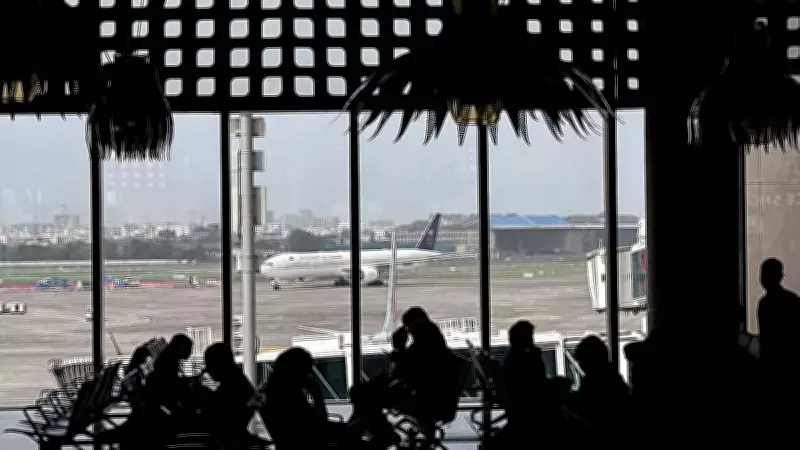
The Mumbai airport, officially known as Chhatrapati Shivaji Maharaj International Airport, is one of India's busiest and most critical aviation hubs, handling millions of passengers annually. Security protocols in and around airport premises are exceptionally stringent due to national and international safety regulations.
Authorities typically enforce strict access controls and land-use policies in airport vicinities to prevent any potential security threats or operational disruptions. The court's refusal likely takes into account these paramount security concerns, balancing them against the petitioners' religious needs.
Broader Implications for Religious Practices in Public Spaces
This ruling highlights the ongoing legal and social discussions regarding the accommodation of religious practices in public and sensitive areas across India. While the Constitution guarantees freedom of religion, practical implementations often require navigating complex logistical, security, and urban planning challenges.
The Bombay High Court's decision sets a precedent for similar cases, emphasizing that security and public order considerations in critical infrastructure zones like airports may outweigh requests for religious accommodations in those specific locations.
Community Response and Future Legal Avenues
Members of the local Muslim community and advocacy groups have expressed disappointment over the court's refusal, noting the importance of accessible prayer spaces, especially during significant religious periods like Ramzan. However, legal experts suggest that the petitioners might explore alternative options, such as:
- Identifying Non-Airzone Sites: Seeking permission for namaz in other public or private areas farther from the airport's immediate security perimeter.
- Engaging with Local Authorities: Collaborating with municipal corporations or state government bodies to designate suitable prayer sites in less sensitive locations.
- Appealing to Higher Courts: Potentially filing an appeal in the Supreme Court if they believe constitutional rights have been inadequately addressed.
The case underscores the delicate balance between upholding religious freedoms and ensuring national security, a theme increasingly relevant in today's global context.